Why Wood Weathers and How We Plan for It
The Character of Real Wood
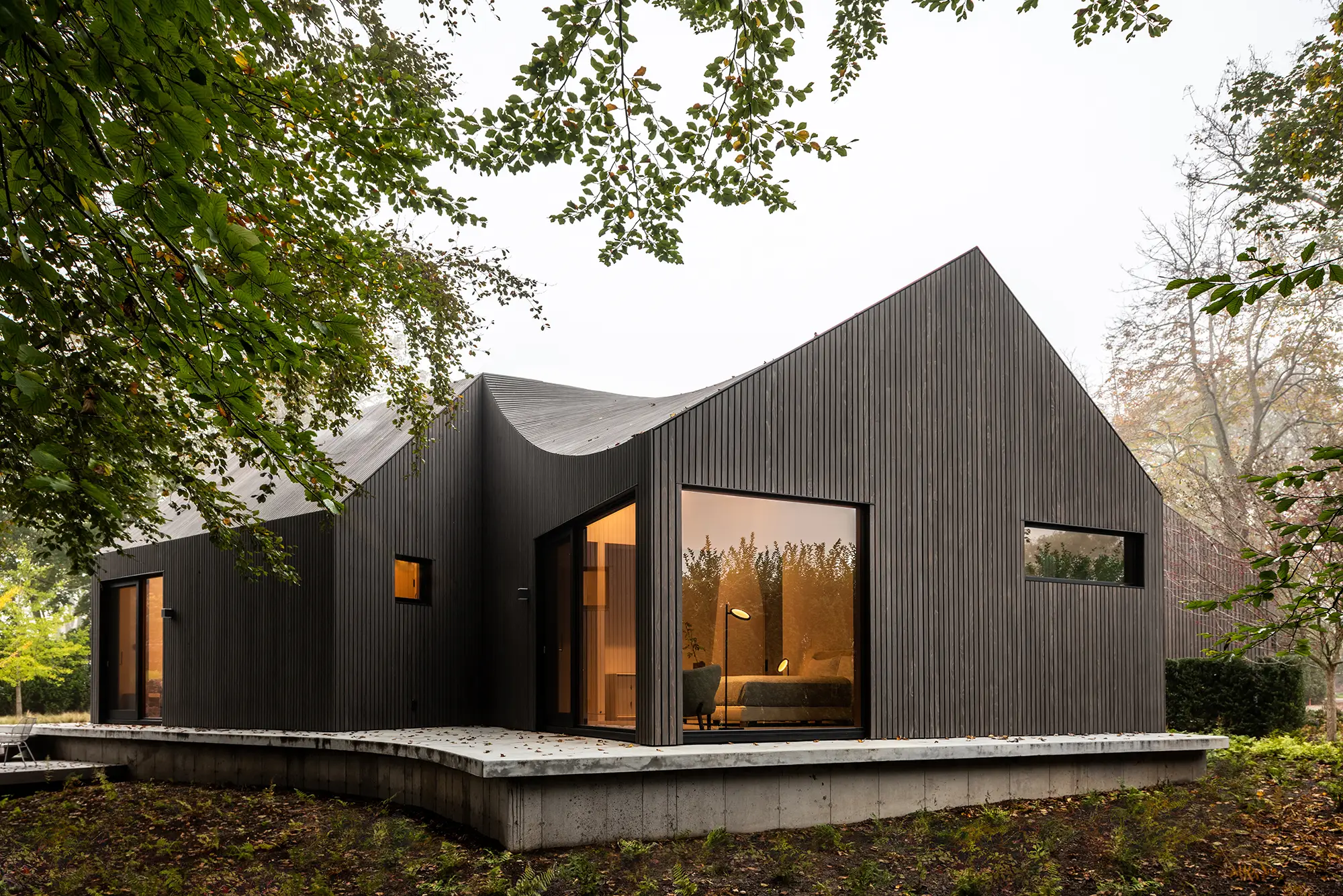
There is something almost magical about wood. It is often called a living material because it stays responsive to its surroundings. Every board carries the marks of its growth in its grain, tone, and texture. Once it becomes part of a building, its story continues. Light catches the surface differently through the seasons; rain deepens its color; sun gradually softens it into a patina. No two boards respond in quite the same way, and that variation gives a wood façade its depth, character and movement.
What is the Weathering of Wood?
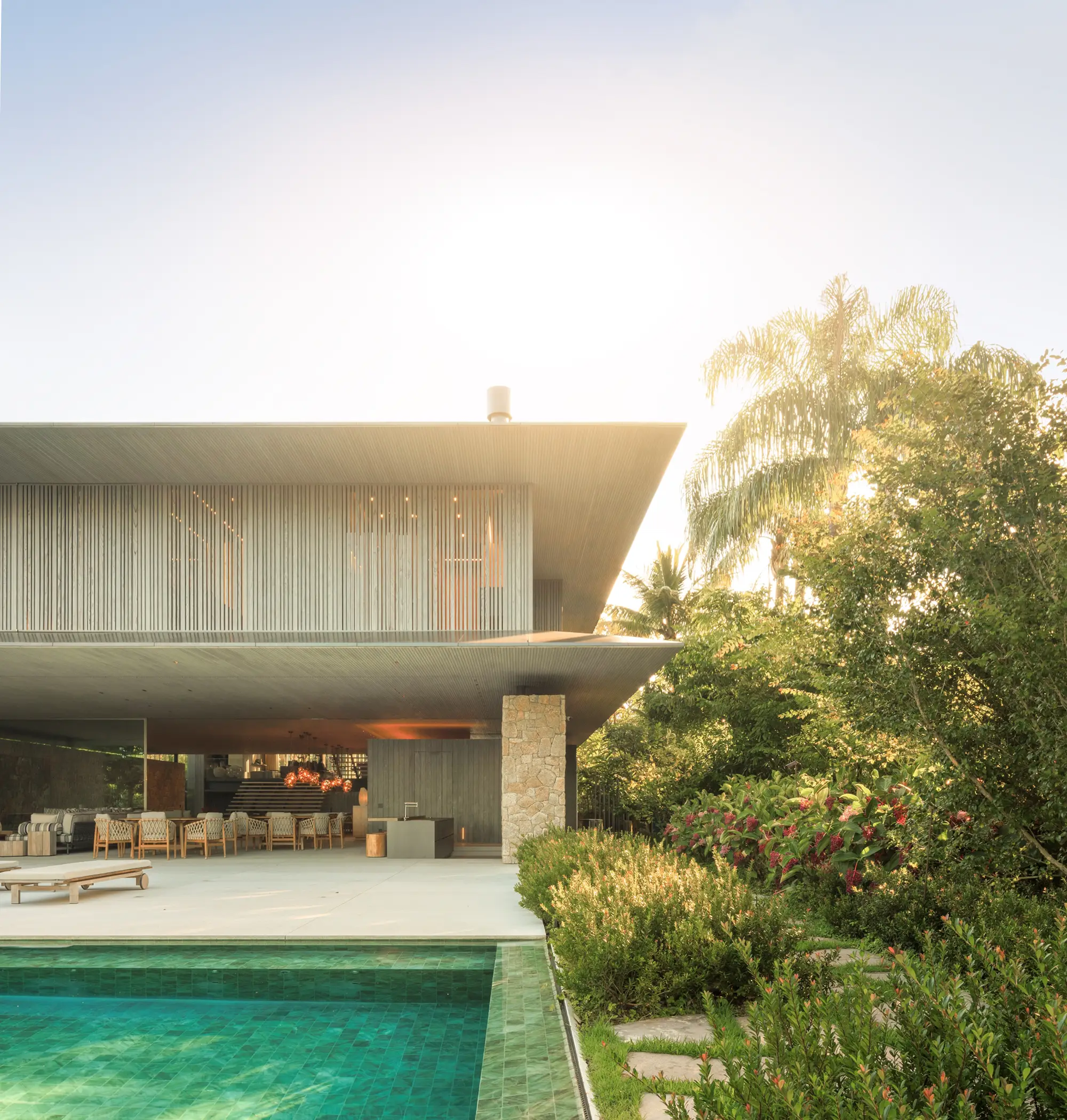
Every exterior wood surface tells the story of its surroundings. Weathering is the visible record of that story, written by sunlight, moisture, shifting temperatures, and open air. UV light gradually breaks down the wood’s surface layer, and rain washes those loosened fibers away. Precipitation, humidity, and dew cause wood to absorb and release moisture. That cycle can produce surface checking, raised grain, and variation in texture.
Weathering is a natural, expected part of wood’s lifecycle, not a flaw. Its pace and character depend on the species, finish, installation, orientation, and local climate, a south-facing wall in the high desert will weather differently than a shaded wall on the coast, no two façades age alike.
Designing for Movement and Change
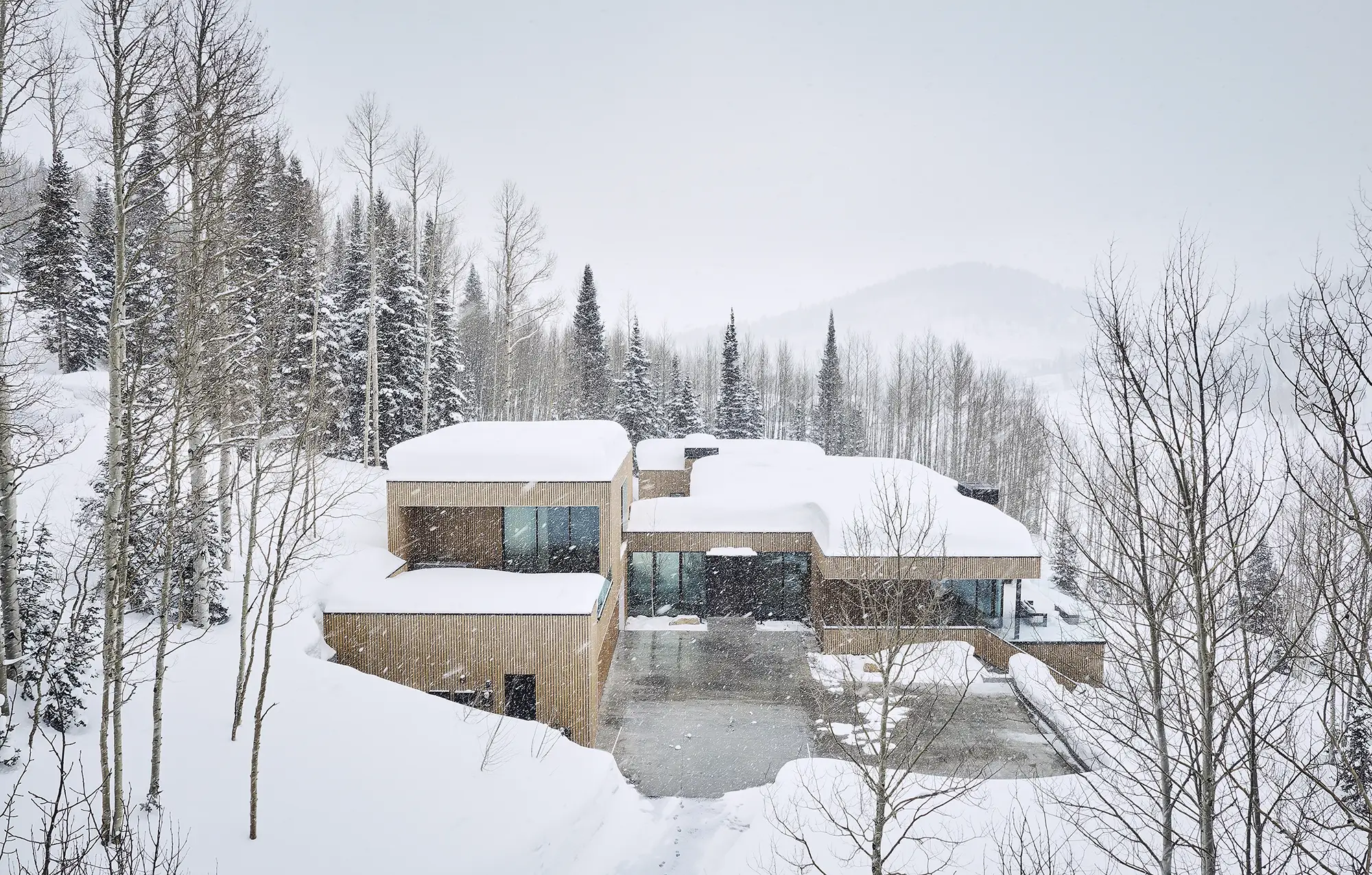
Planning for wood movement and aesthetic change is how a home keeps its beauty for decades. It starts with three fundamentals:
- Movement: Wood moves mainly across the grain, so board spacing, fastening, ventilation, and drainage should all allow for it.
- Seasonal shifts: Temperature changes affect moisture levels throughout the year. Proper detailing, clearances, and installation let the assembly adjust and dry out after wet weather.
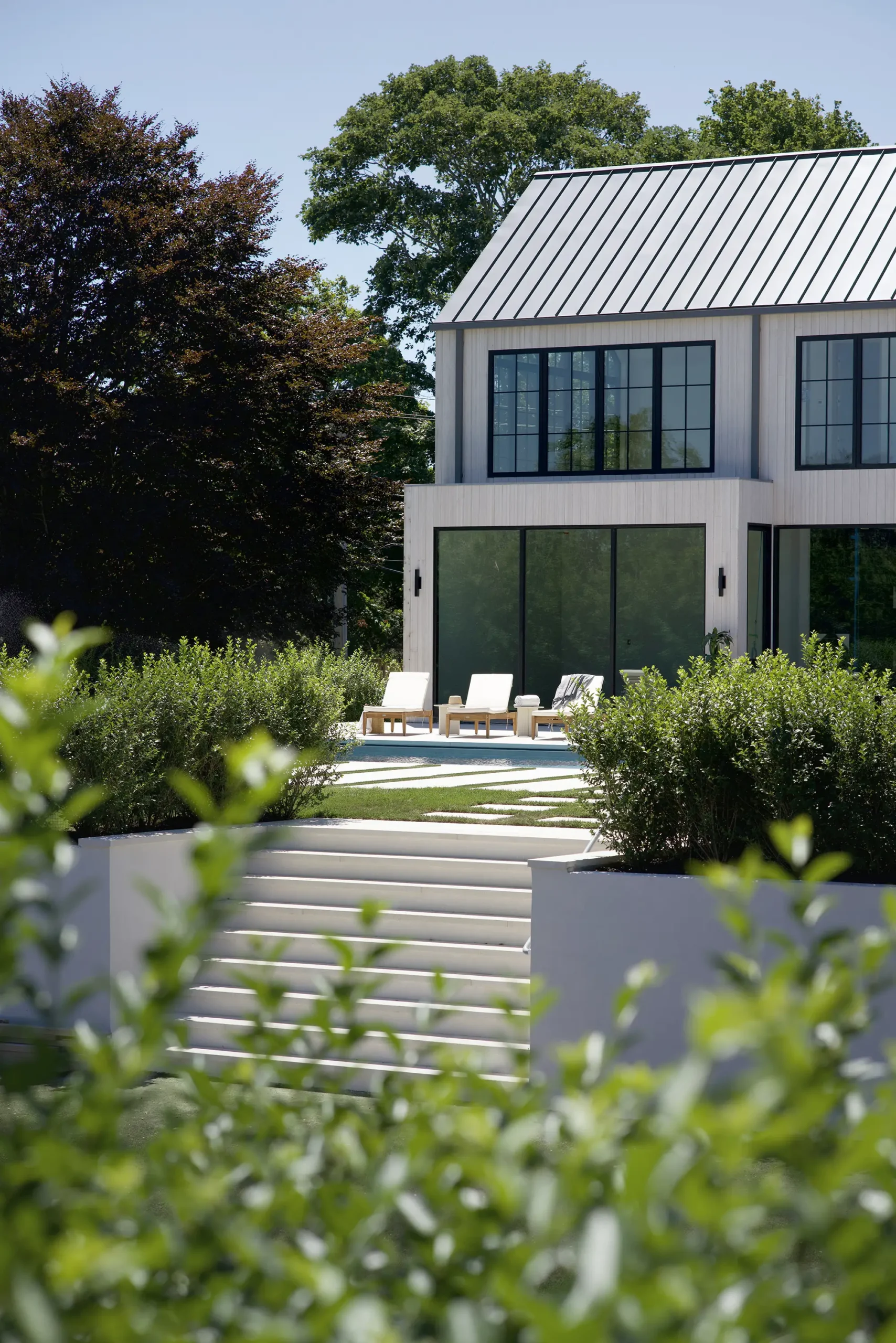
- Finish: The finish shapes both the initial look and how it weathers. Pigmented finishes slow visible color change, while more transparent finishes let the natural patina emerge sooner. Maintenance needs depend on exposure, orientation, the finish system, and the look the project team wants to keep.
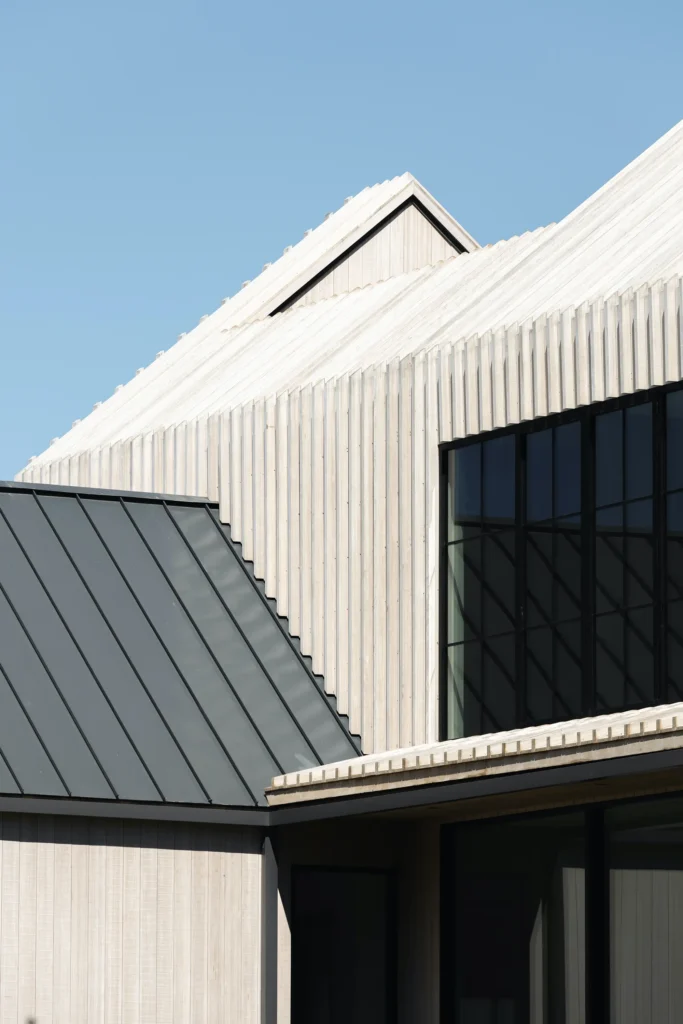
How RESAWN Embraces and Evaluates Weathering
At RESAWN, wood weathering is a design and performance consideration from the start. Every exterior product goes through a one-year outdoor weathering period. That lets us see how its texture and finish respond to real exposure and how the character develops over time. What we learn shapes our product decisions and the guidance we give project teams, though every site and elevation will still weather in its own way.
That knowledge helps architects, designers, and builders set realistic expectations for color, patina, and maintenance. Samples and field mockups make those conversations tangible. Project-specific advice on orientation, clearances, fastening, and rain-screen detailing helps the cladding shed moisture and dry. The result is a façade designed around wood’s natural behavior and the look your client wants years to come.
Real wood will change. With thoughtful material selection, careful detailing, and a shared understanding of weathering, that change becomes part of the design to savor.