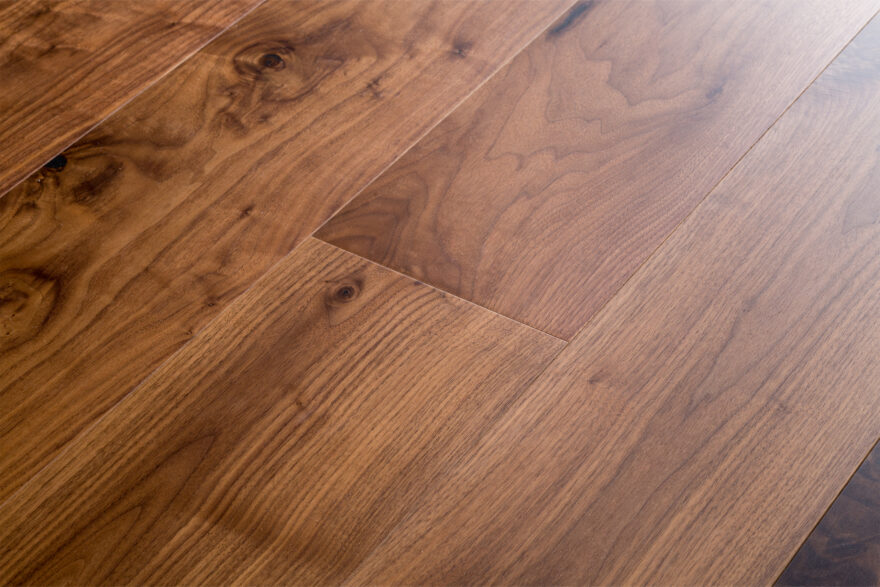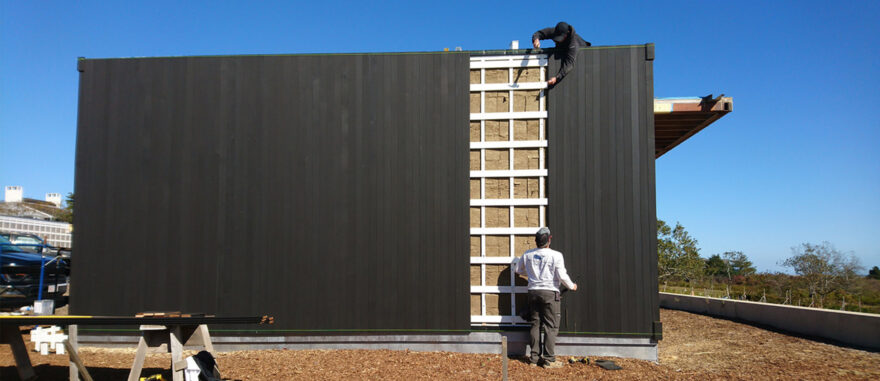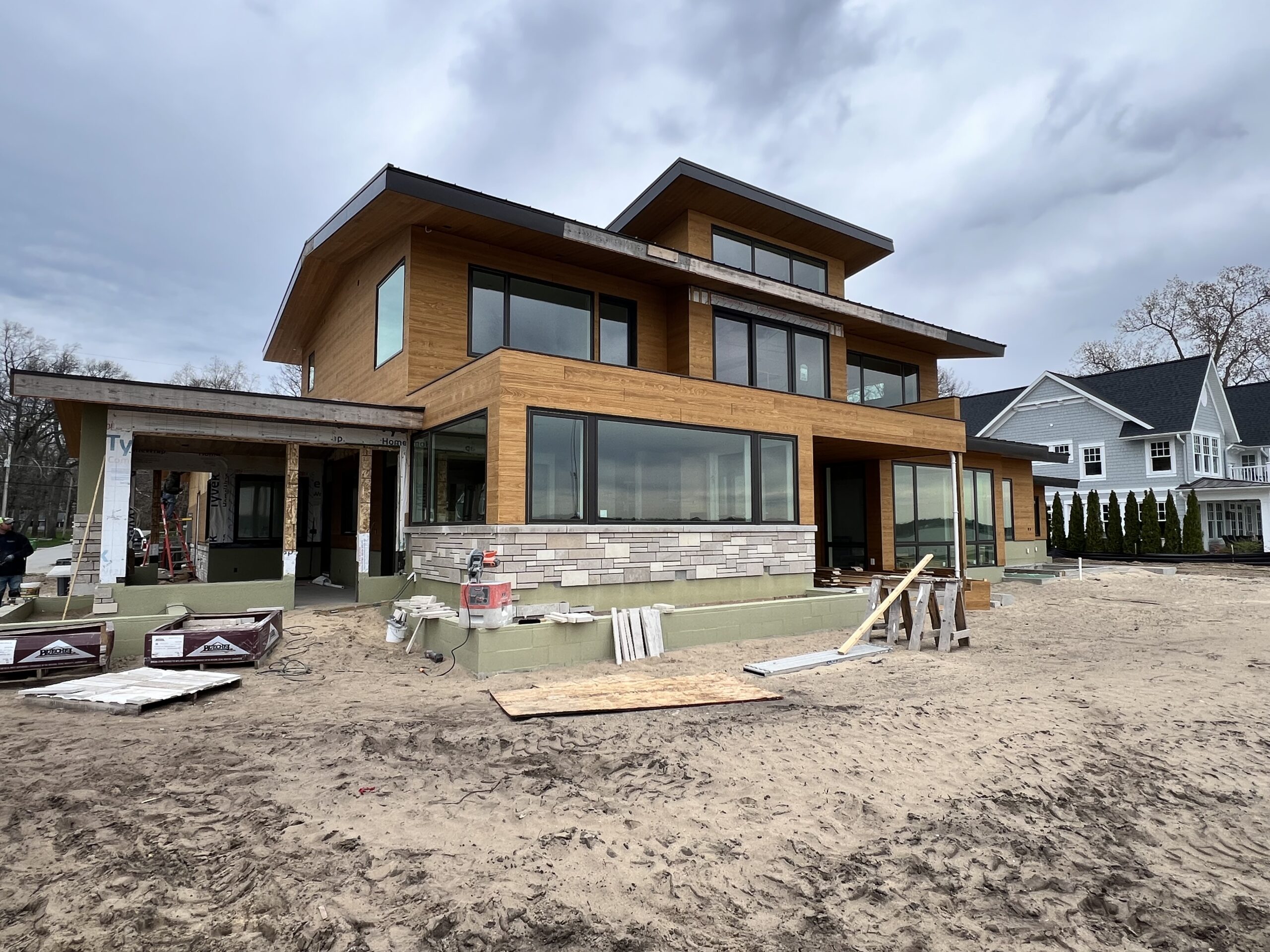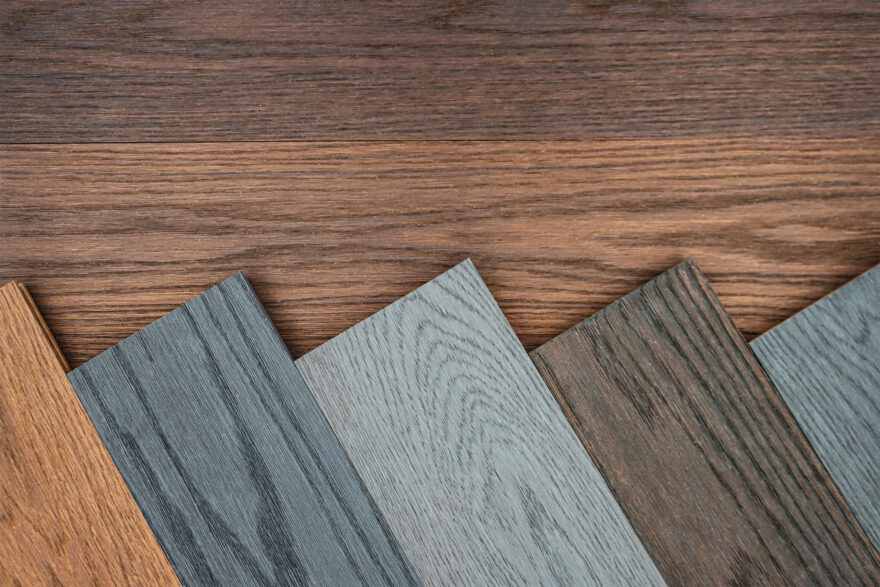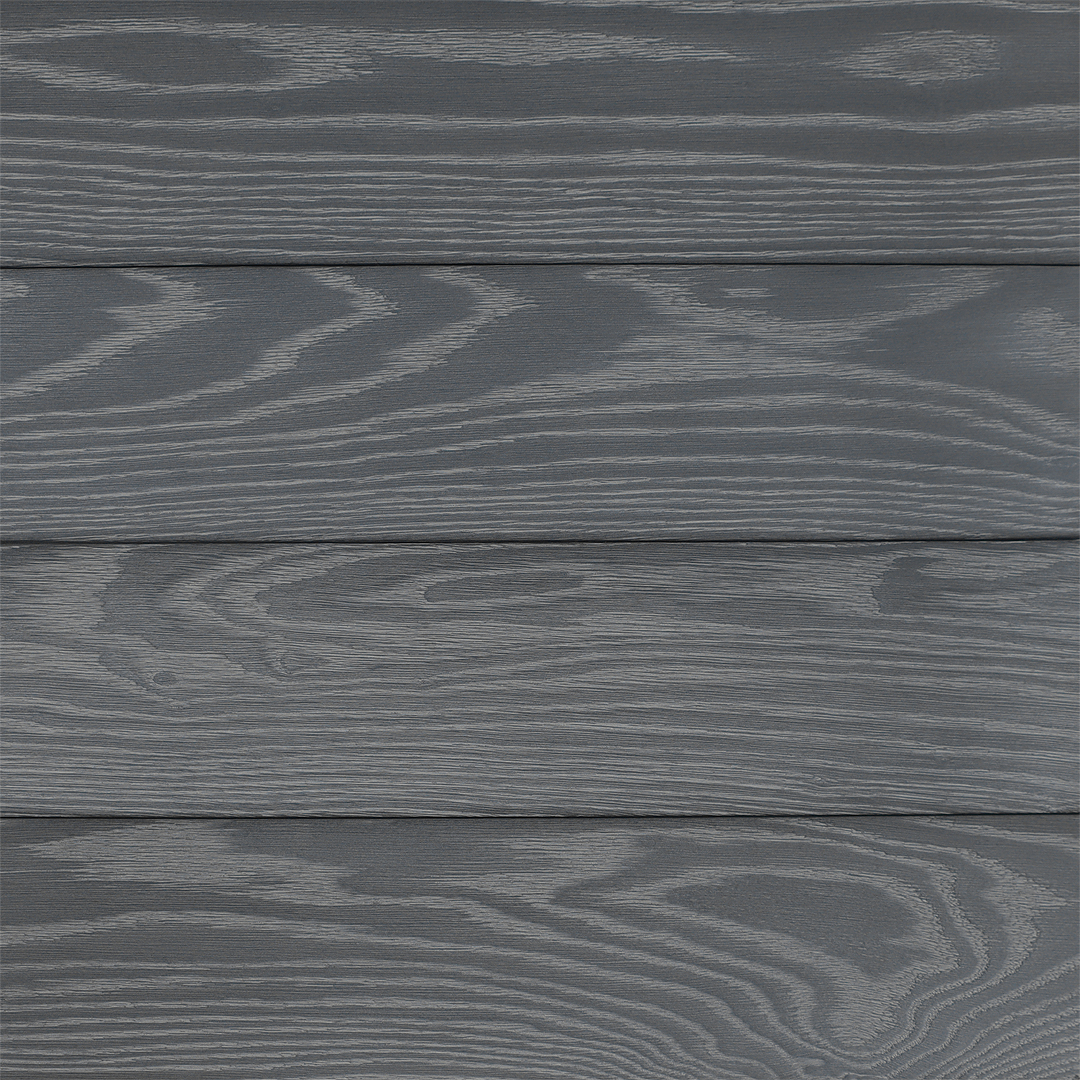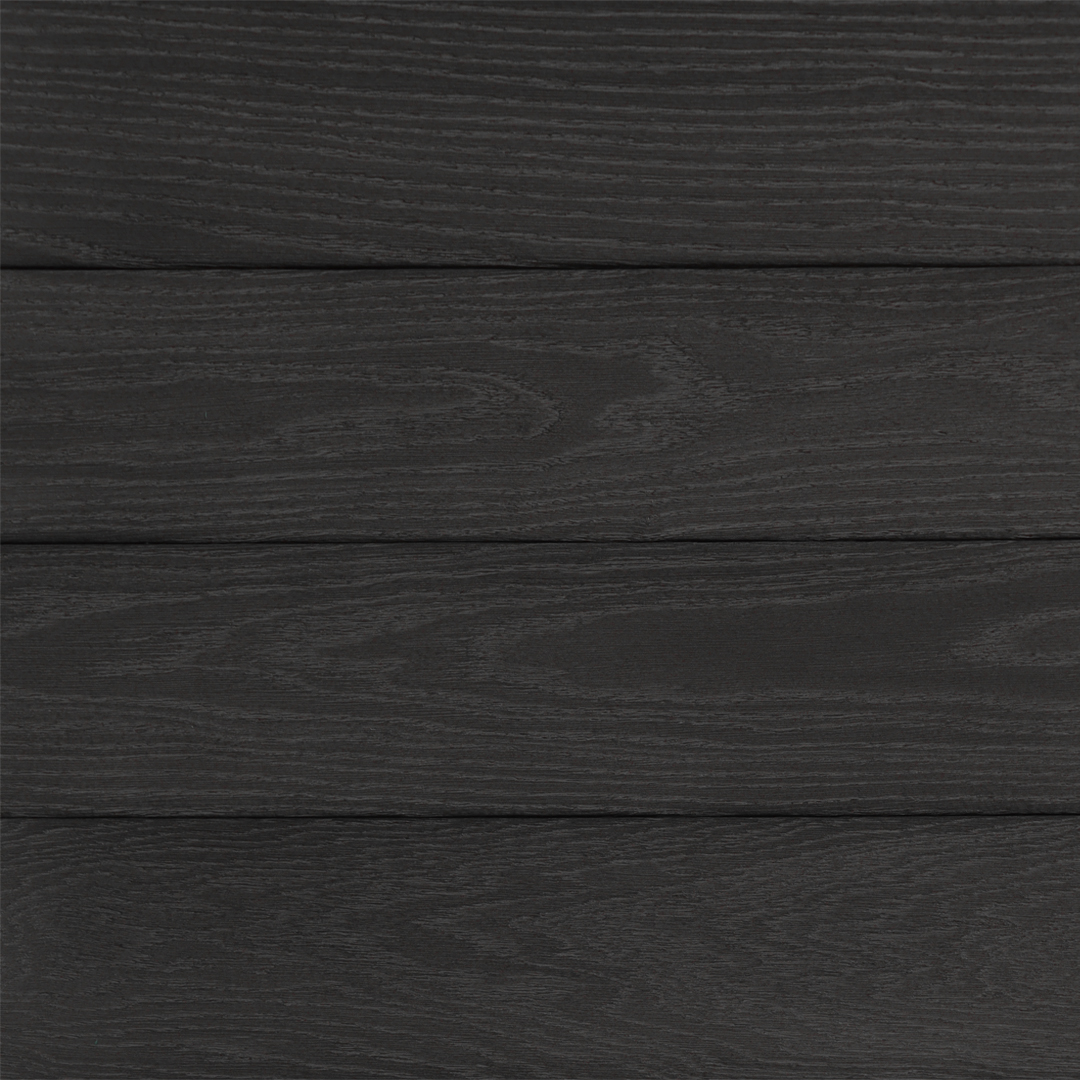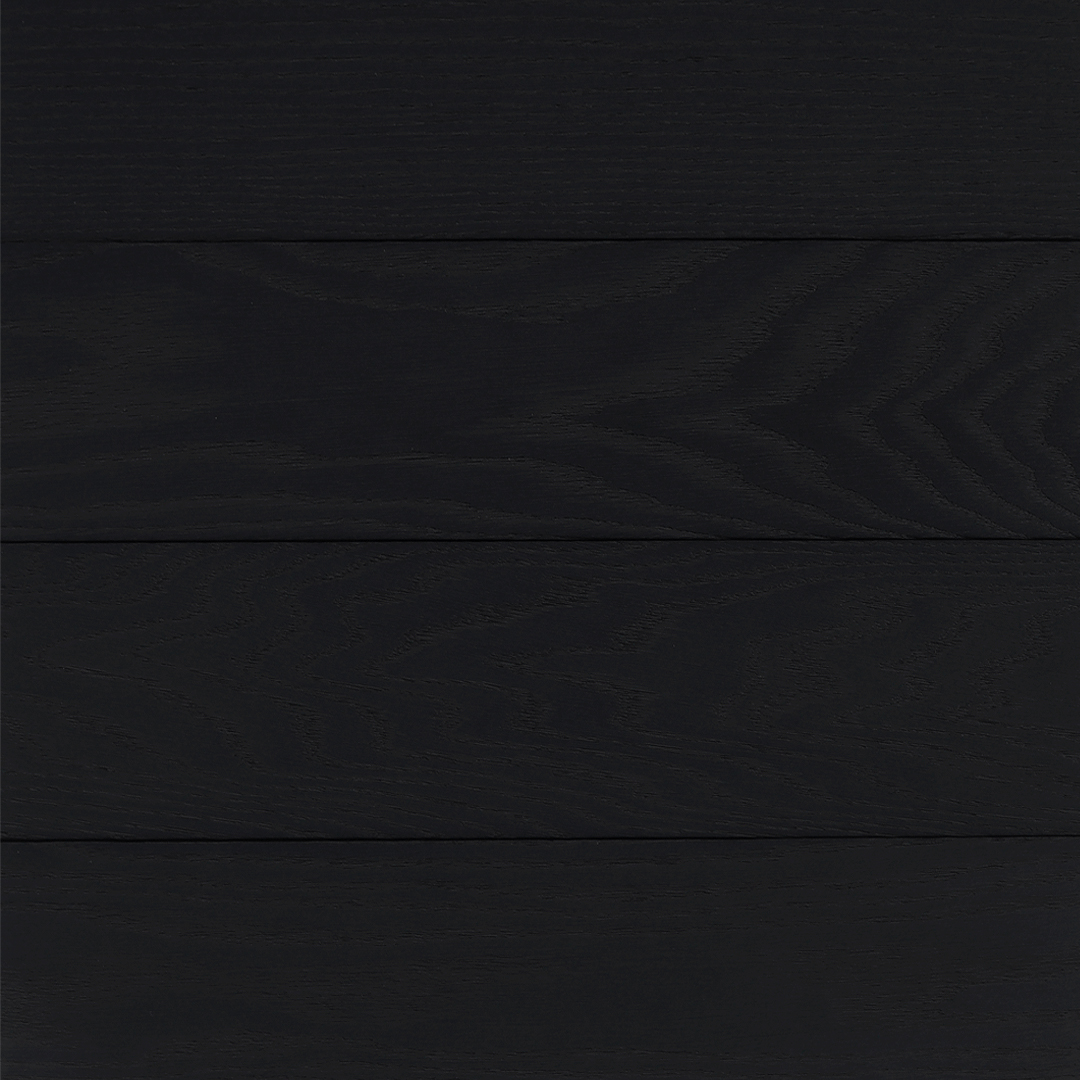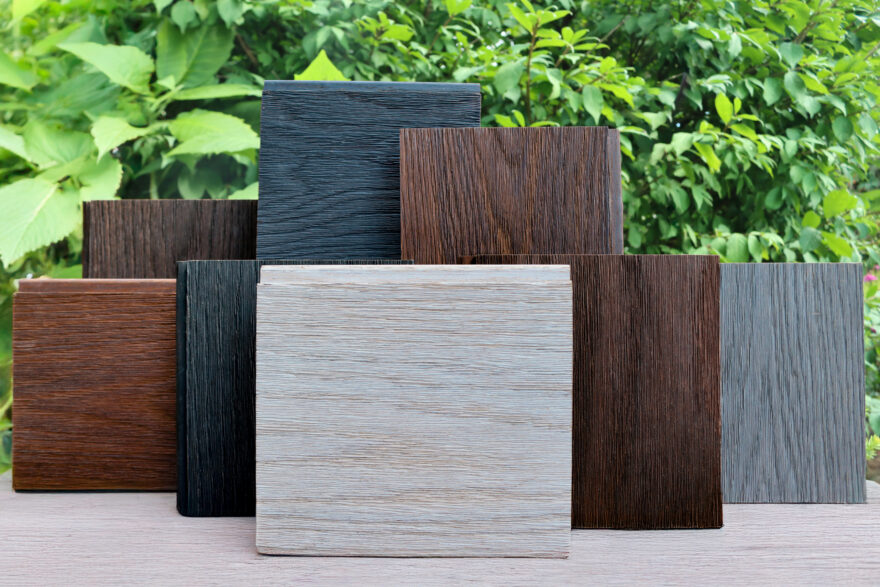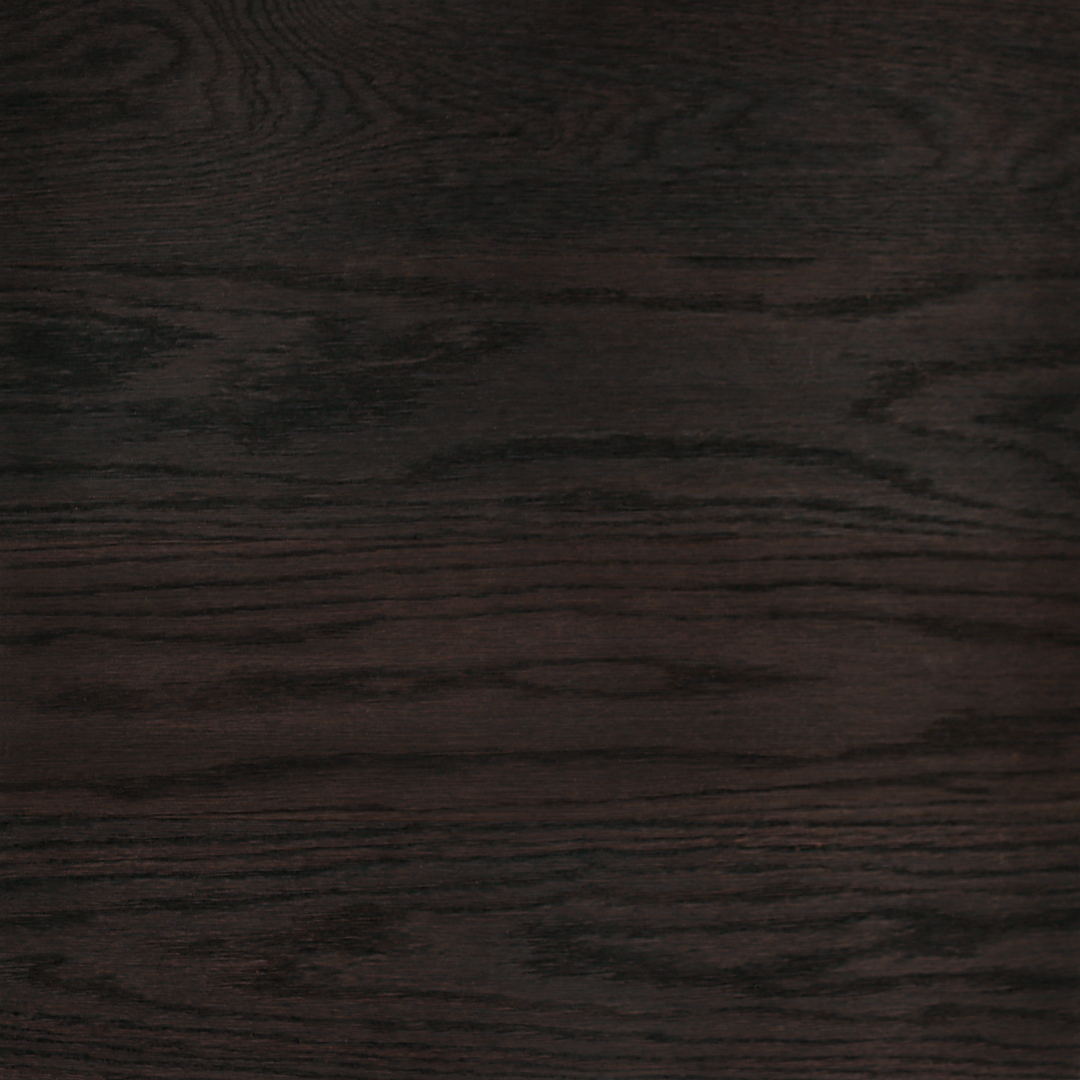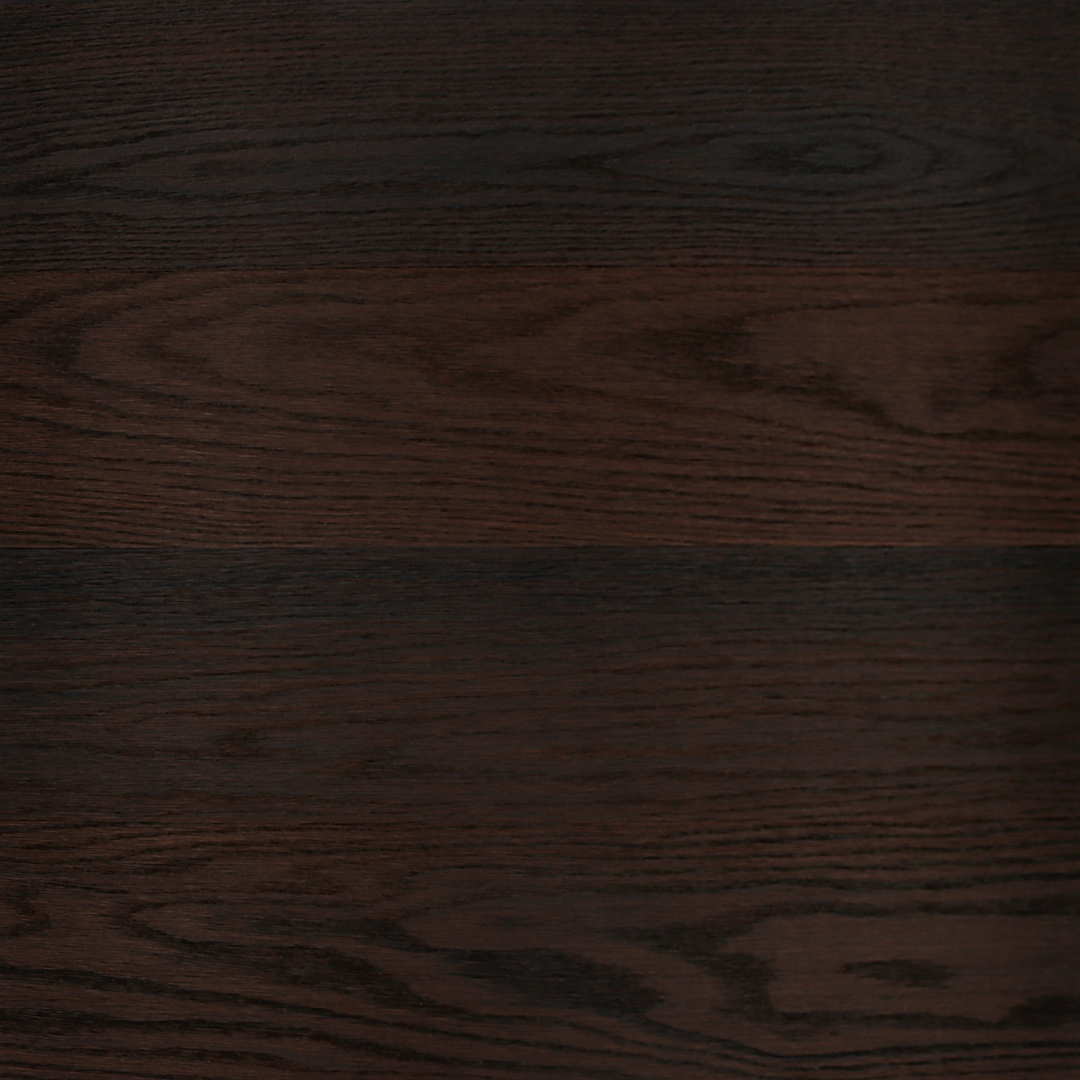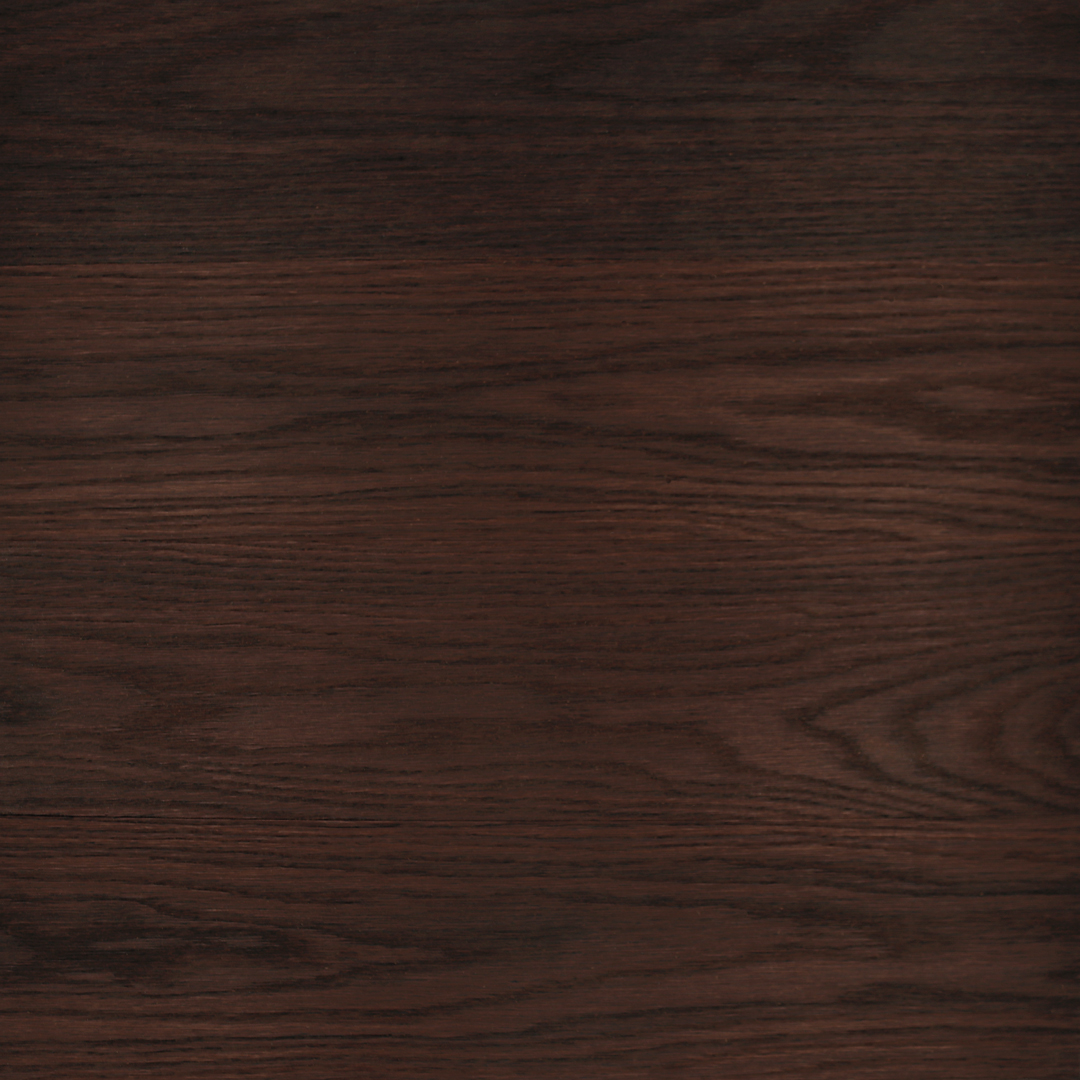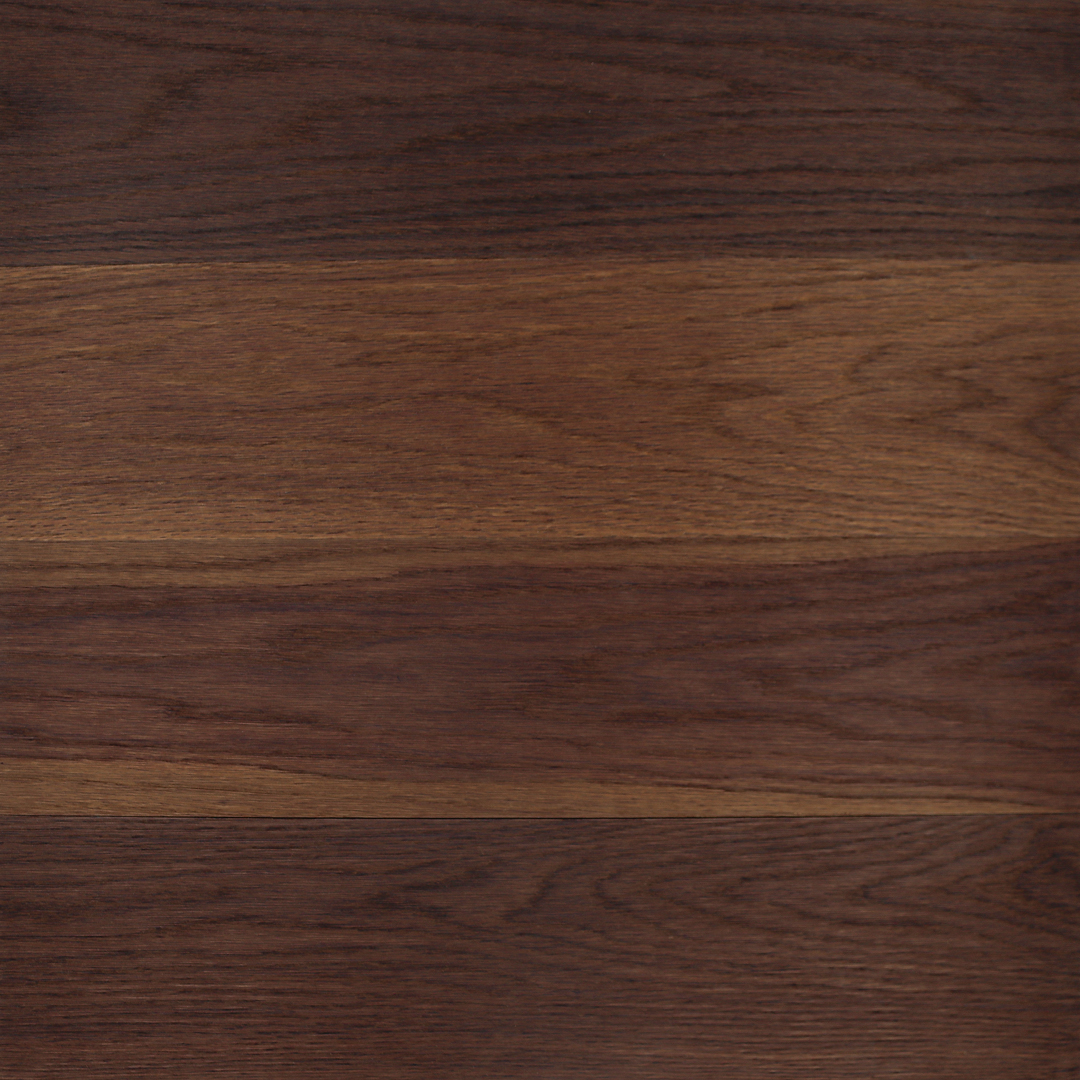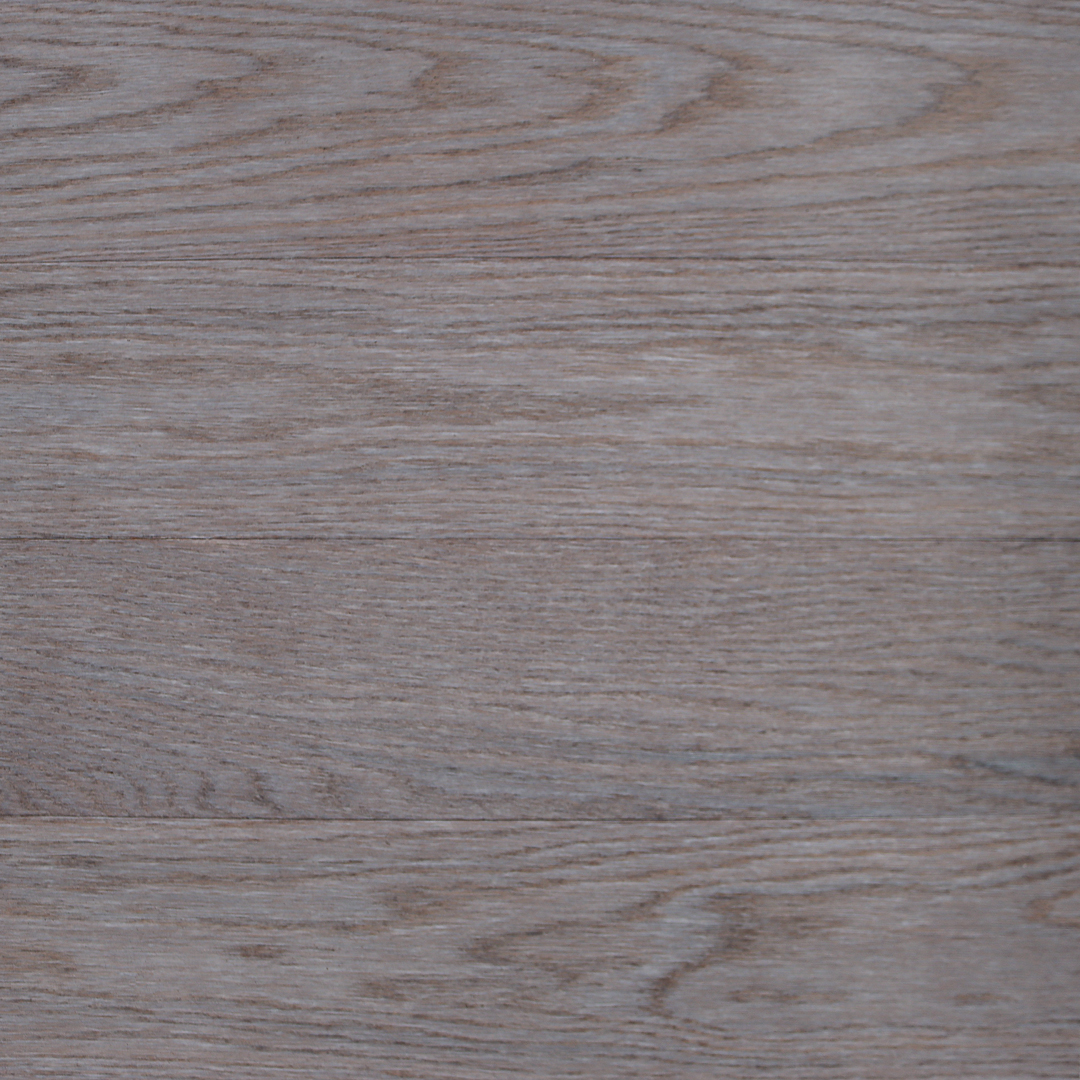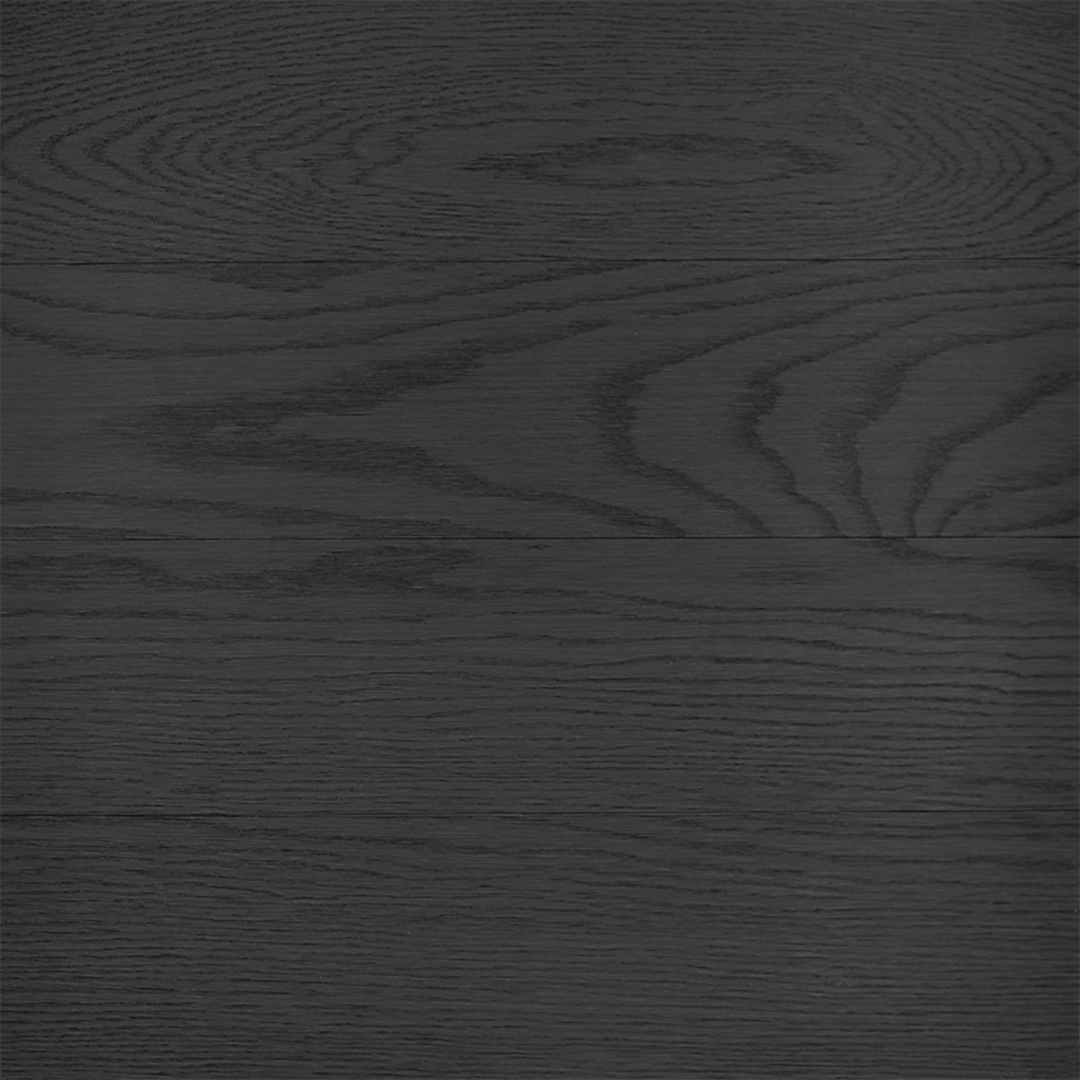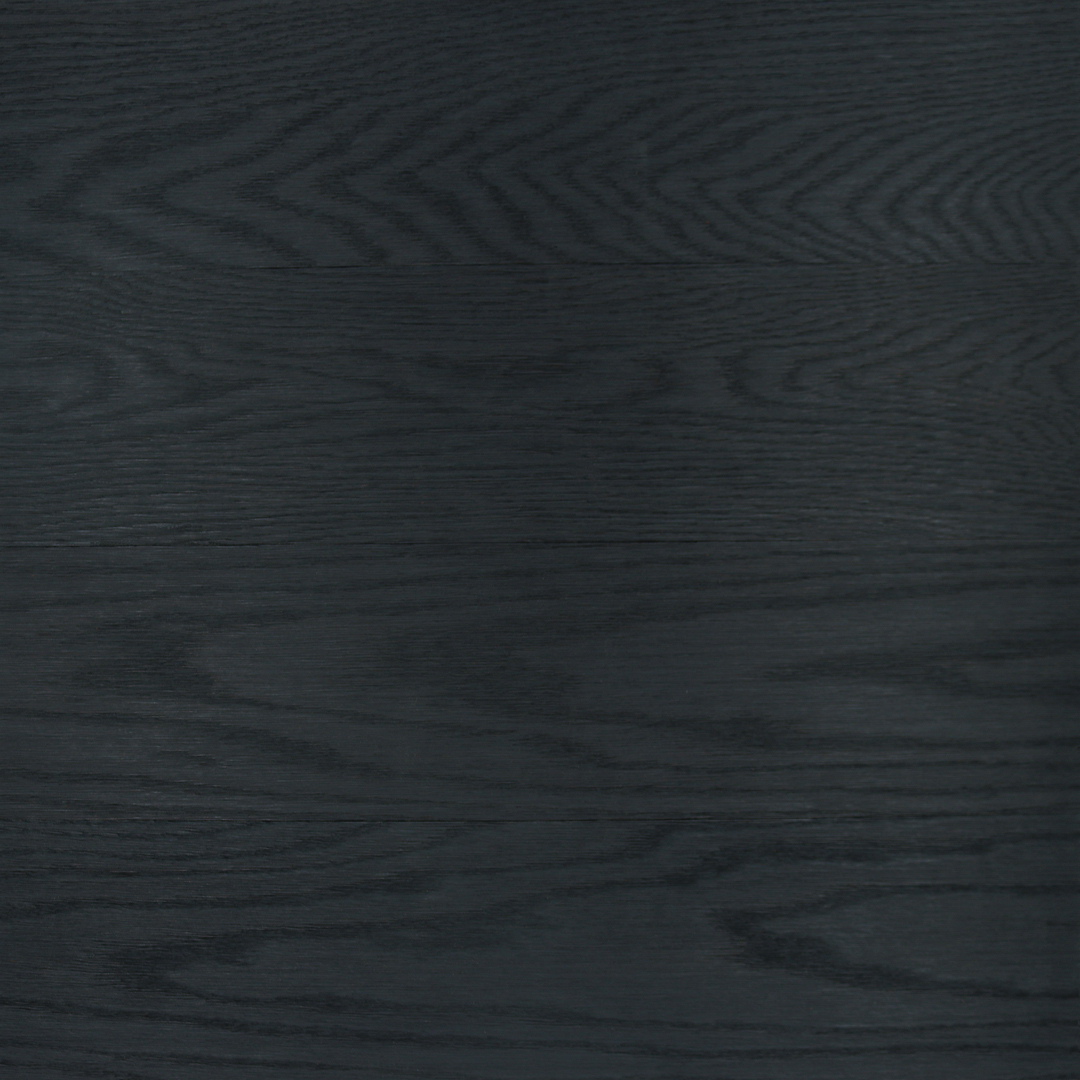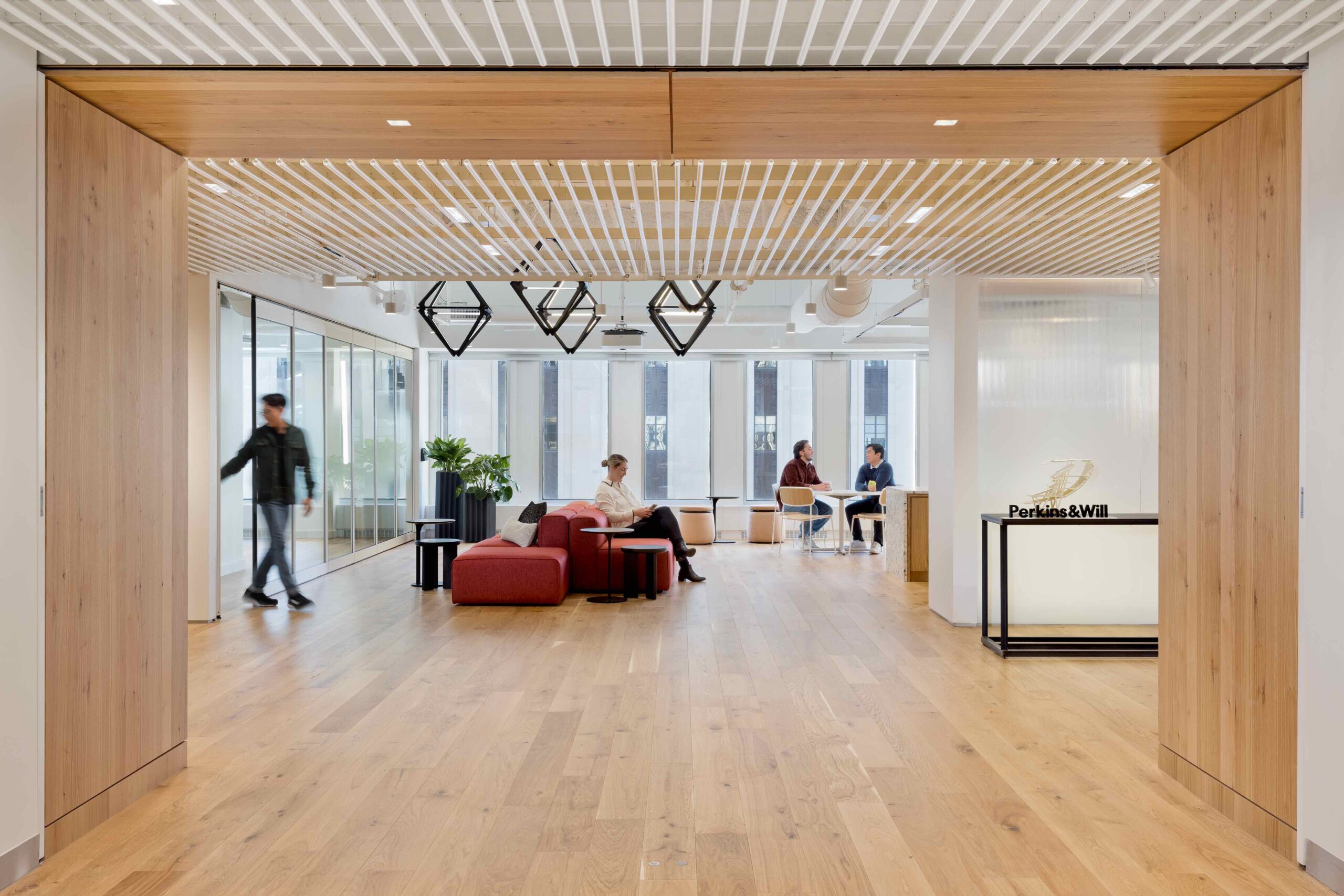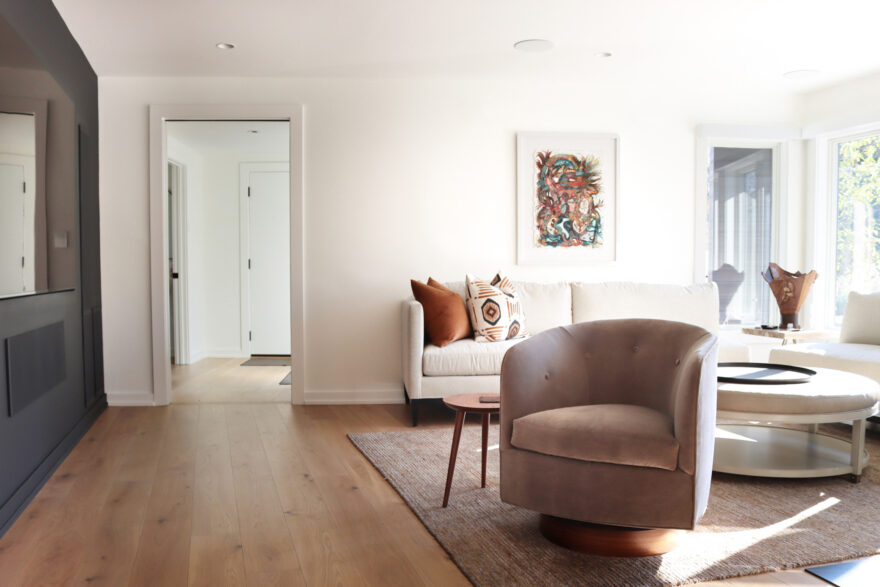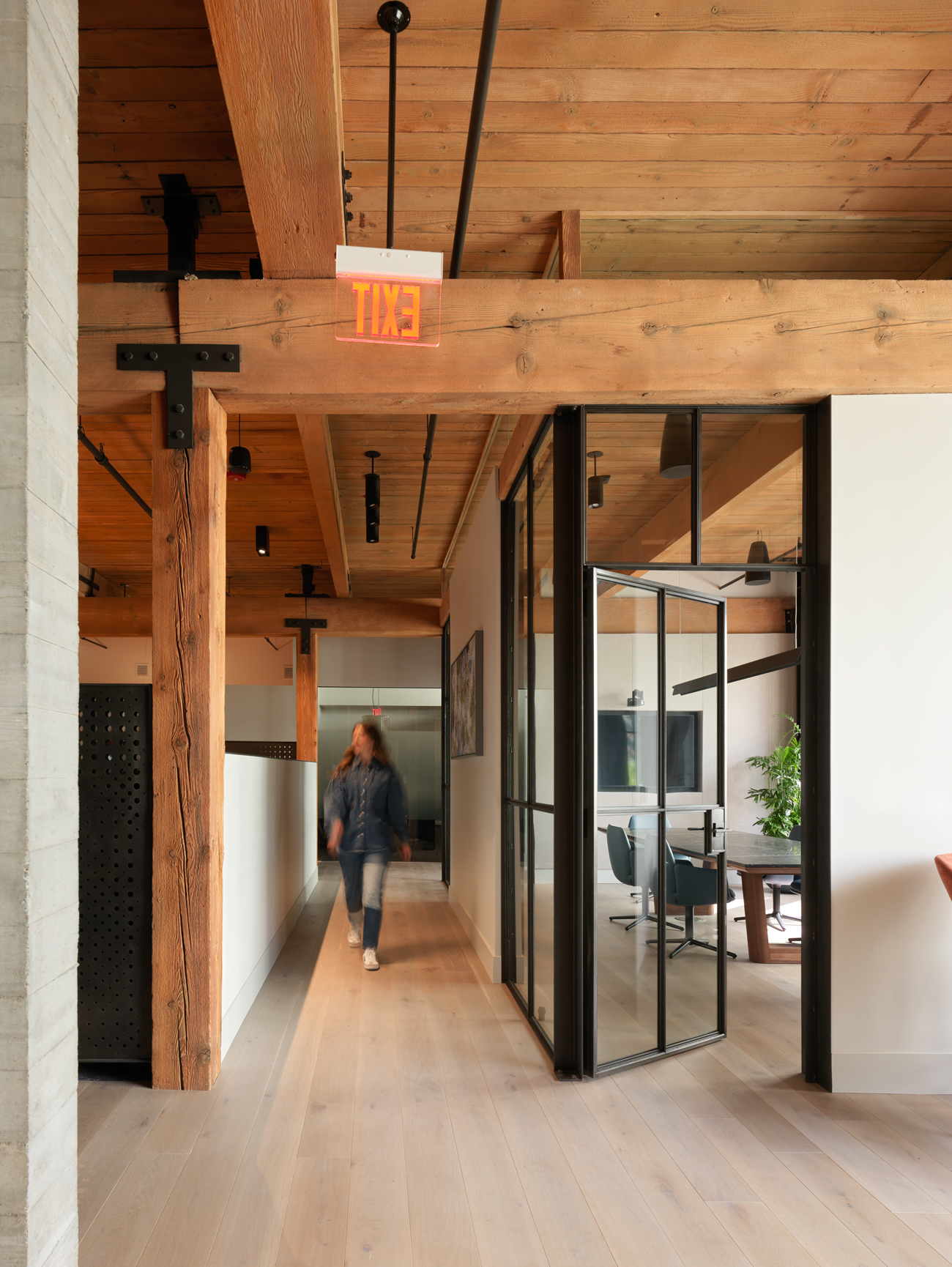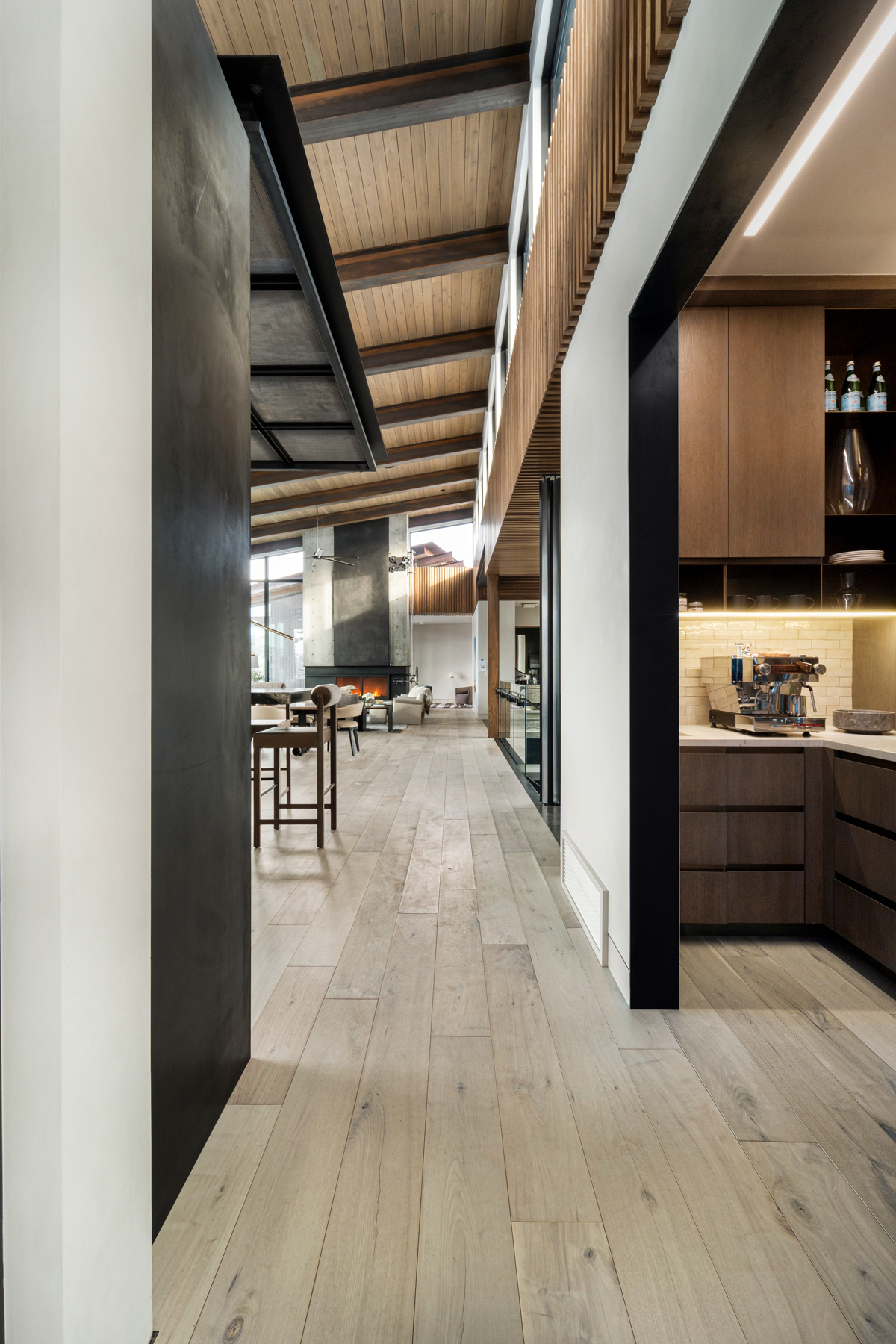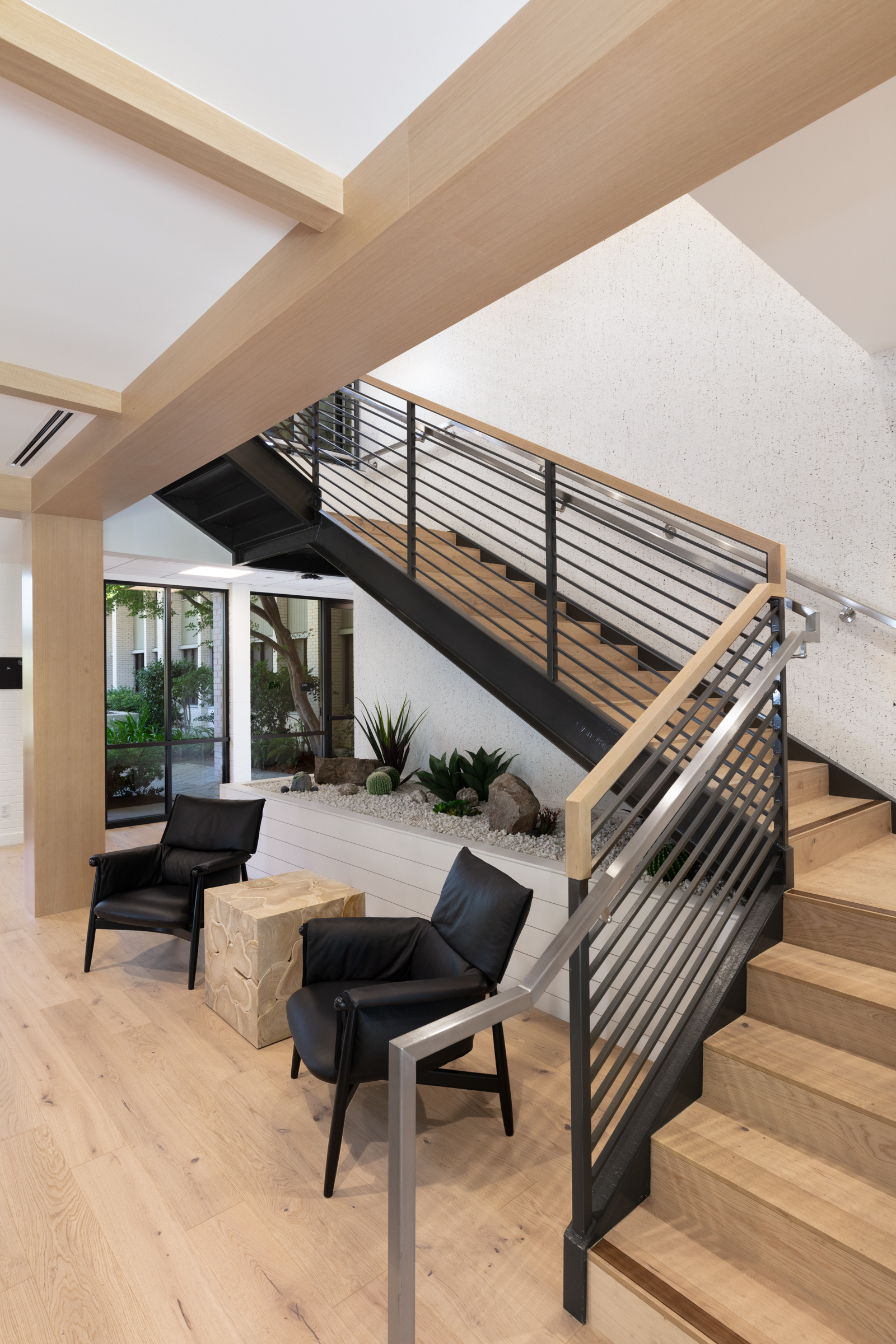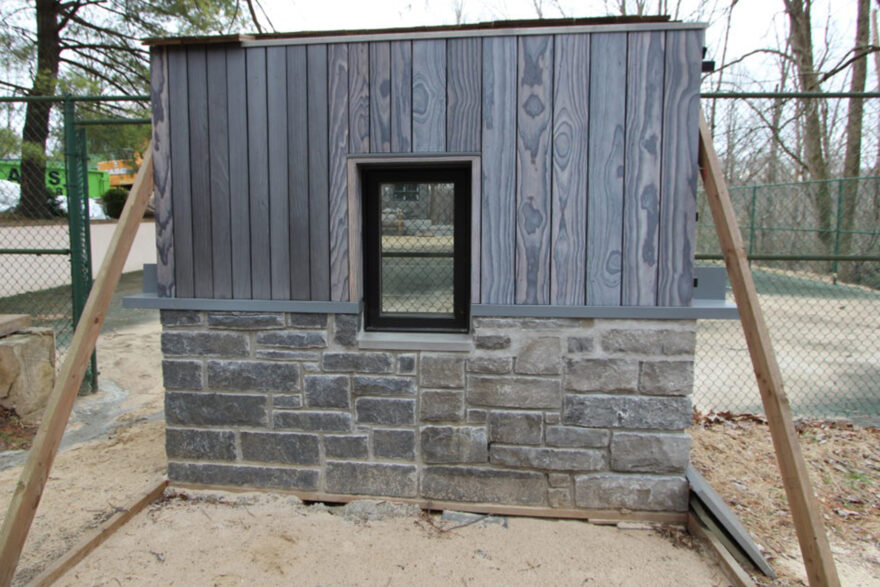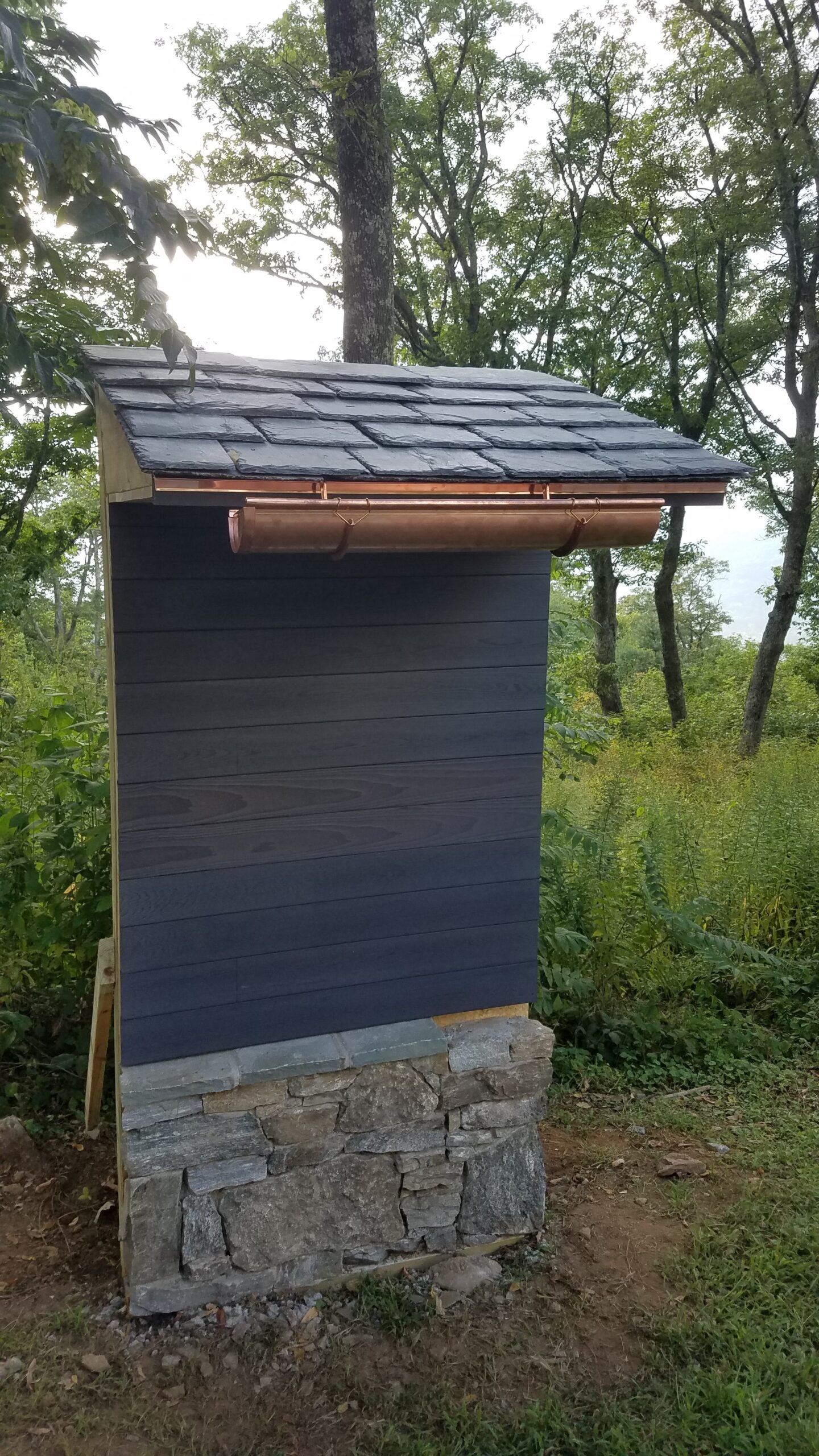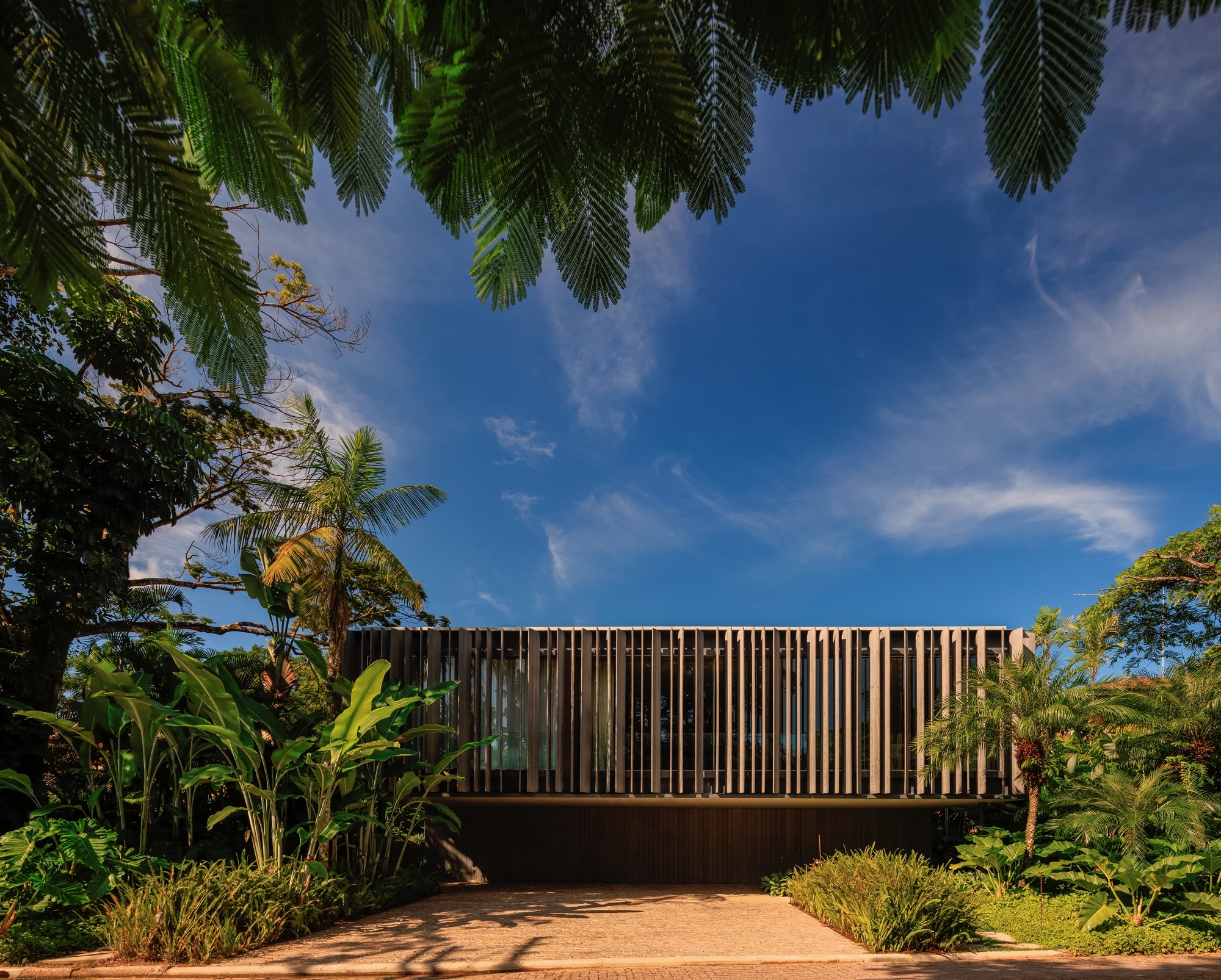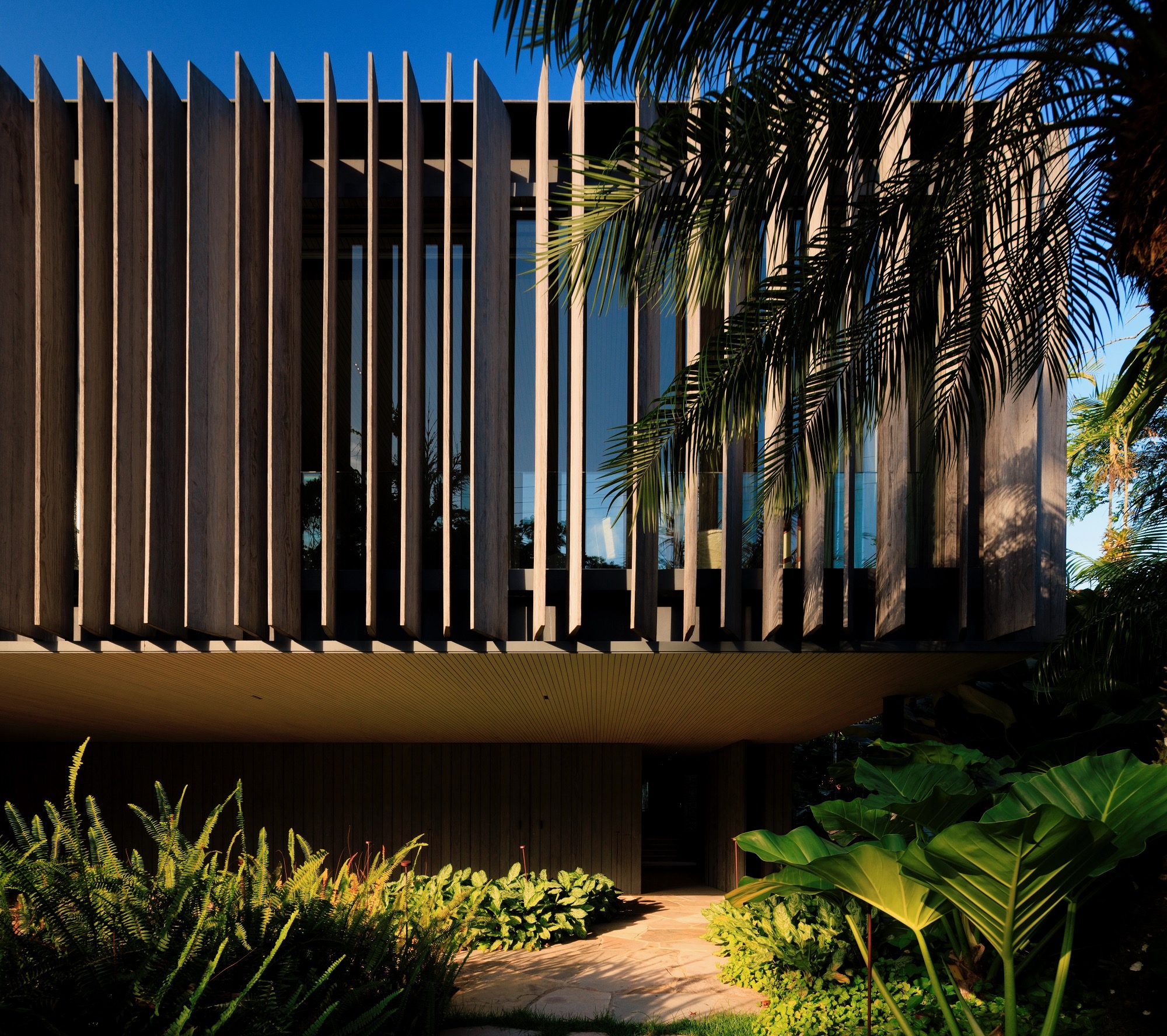
A flooring mockup is a realistic preview that shows what a specific flooring product will look like once it’s installed in an interior setting. Instead of relying on a small hand sample or imagining the finished result, a flooring mockup lets you see the color, grain, finish, and overall tone of the material “in place” on a styled surface.
Flooring mockups are commonly used by designers, builders, and architects to compare product options side by side, visualize how a floor will interact with surrounding elements, and make confident, well-informed decisions when specifying wood flooring. A physical mockup helps confirm how a material interacts with the project environment—especially under varying lighting conditions, both natural and artificial, and in combination with other finishes— so expectations are set early, and approvals move forward with confidence and clarity.
While digital visualizations can be helpful during the design process, they can’t fully replicate real-world variables like natural daylight shifts, interior lighting temperatures, surrounding paint colors, and the natural variation found in wood. A physical flooring mockup provides the most accurate avenue to evaluate a product before ordering, minimizing surprises once materials arrive onsite.
Why Are Wood Flooring Mockups Used?
Wood is a natural product, with character varying from board to board. A hand sample may show tone and texture, but never fully captures the full range of variation within a finished flooring installation. Mockups provide a larger, more representative view, so specifiers can review a species’ color variation, finish, and how the flooring material responds to project-specific lighting and color.
Selecting the right wood species and finish plays a major role in the long-term durability and maintenance of a wood floor. Each species varies in hardness, grain structure, and resilience, which affects how well the floor holds up to everyday wear. Harder woods tend to resist dents and surface damage more easily, while softer species may show character marks over time.
To help architects and designers specify wood flooring with confidence, reSAWN’s flooring mockups provide an accurate way to evaluate species, color, grain, and finish before materials arrive onsite. By seeing the material in a larger format, you can validate overall pattern, tone, movement, and sheen, so what you choose is what you can expect in the finished space.
Flooring mockups are available for all our solid and engineered flooring products, including our collection of FloorScore® Certified European White Oak and Black Walnut products.
reSAWN’s Flooring Mockup Program
We offer three standard mockup options to meet a range of project sizes:
Small Mockup: Recommended for projects 1,500 – 5,000 sq. ft. Includes (5) 24” boards.
Medium Mockup: Recommended for projects 5,001 – 10,000 sq. ft. Includes (10) 24” boards.
Large Mockup: Recommended for projects 10,000 sq. ft. or higher. Includes (15) 24” boards.
We’re here to help you create interior spaces that look beautiful and perform as expected for years to come. If you have questions about custom mockups or need support with your flooring project, our team is ready to help. Contact us today.
When building a new home or commercial space, one of the first priorities is achieving the right aesthetic. Bringing the architect’s rendering to life while meeting client expectations for form and function is key. For builders, real wood cladding isn’t just about aesthetics; it must deliver on performance, sustainability, and ease of installation. When thoughtfully selected, wood excels across all demands.
With many wood cladding products available, it’s essential to evaluate the functionality and long-term value of a material, while sourcing from a reputable partner. reSAWN TIMBER co. delivers high-performance wood cladding solutions backed by technical expertise and local, collaborative support to guide you to the best solution for every project.
Key Material Considerations
Not all wood cladding is created equal. Species, milling technique, modification process, and finish all influence the quality, installation, and longevity of a project.
Species, Durability, and Performance Modern wood cladding goes beyond traditional untreated or pressure-treated lumber. Modification methods, like chemical and thermal modification, enhance wood’s performance to give builders the confidence their work will endure for decades. For exterior applications, durability and climate adaptability are critical, and modified woods deliver the best solution:
Sylva™: Thermally modified North American red oak by reSAWN TIMBER co.; structurally sound, dimensionally stable, and adaptable to a wide range of climates.
Accoya®: Chemically modified radiata pine using a patented acetylation process; highly resistant to rot, decay, swelling, and shrinking.
Abodo®: Thermally modified Vulcan cladding with superior stability; delivers natural durability without chemical preservatives.
Kebony®: Radiata pine modified through furfurylation; durable, stable, and designed to resist rot and decay while developing a refined, weathered appearance over time.
In addition to innovative, modified woods, reSAWN offers naturally durable species like Alaskan Yellow cedar and cypress, which have inherent strength and resistance to weathering. reSAWN’s variety of exterior cladding solutions allow builders to balance performance, budget, and design intent.
Grand Rapids Residence, feat. CUSTOM FSC®-Certified Accoya
Cost and Long Term Value Upfront costs are often top of mind for builders, but total lifecycle cost must be considered. Premium wood cladding may require a higher initial investment, but significantly reduces labor, maintenance, and replacement costs over the life of a project.
Unlike low-grade solutions that require on-site finishing, frequent maintenance, or replacement, reSAWN’s premium, prefinished, real wood cladding products are engineered for superior durability and stability. Every product is rigorously tested to meet strict performance standards and is supported by our in-house technical experts, detailed installation guidance, and maintenance documentation, so teams achieve smooth installation and enduring results.
Sustainability and Environmental Responsibility With the building sector accounting for nearly 40% of global carbon emissions, sustainable construction essential to mitigate this impact. As a result, nearly 80% of U.S. architects and contractors report that most of their projects now have sustainability goals.
Real wood cladding naturally delivers on these goals as a renewable resource and carbon sink. High-performance wood further reduces waste over time; with certifications and compliance standards, builders can trust that premium cladding meets functional requirements while supporting sustainability efforts. Look for these key attributes to ensure compliance:
FSC®-Certification: Certifies sourcing from responsibly managed forests.
Low-VOC Finishes: Ensures the product is safe for people and the environment.
Red-List Free/Declare Label: Confirms materials are free from harmful chemicals.
WUI-Compliance: Meets wildfire safety standards for at risk areas.
Choosing the Right Partner for Support and Expertise
Selecting the right cladding is about more than the material—it’s about where you source it. A trusted partner provides quality products, expertise, and support through every stage of a project. From early planning through post-installation, reSAWN TIMBER co. delivers an experience that leads to the best solution.
Technical and Installation Support Our technical experts provide guidance from installation best practices to post-install maintenance strategies. This hands-on approach ensures challenges are identified and resolved quickly, allowing teams to achieve the best possible results. To further reduce risk, we offer field mockups that give project teams the opportunity to evaluate performance and test installation methods before full-scale construction begins. This proactive process minimizes delays and enhances efficiency for lasting success.
A local Specification Consultant is always available as a resource for your team. Collaborating directly with builders, they deliver tailored solutions based on local climate, code requirements, sustainability goals, and design intent. Specification Consultants can provide on-site installation support and hands-on guidance for consistent, region-specific expertise from early planning to final installation.
Lead Times and Logistics Timely delivery is essential to keep projects on track. reSAWN’s experienced team combines a tight manufacturing schedule with streamlined logistics so materials arrive on-time. A dedicated Project Coordinator provides clear communication, timely updates, and support through shipping and delivery, so builders can rely on predictable timelines and smooth project execution.
For projects with particularly tight schedules, reSAWN’s Express Ship Program offers expedited lead times for sought-after products, including Sylva, Accoya, and Abodo, giving teams flexibility without compromising quality.
Custom Milling and Finishing Services reSAWN’s custom milling and finishing capabilities allow us to transform raw materials into tailored solutions that support both design intent and long-term performance. We work closely with builders to achieve precise dimensions, profiles, and surface textures that bring each project’s vision to life.
Our in-house finishing options enhance the natural character of wood while providing added protection against wear, weather, and time. Whether the goal is a sleek, modern look, a rustic texture, or a highly durable exterior finish, reSAWN adapts to any aesthetic or functional requirement.
By combining advanced milling technology with skilled craftsmanship, we manufacture every product to exacting standards. This custom approach minimizes waste, simplifies installation, and delivers an end result that is beautiful, resilient and suited to the specific conditions of the project environment.
Selecting Real Wood Cladding for Your Next Project
Wood cladding offers unmatched versatility, performance, and value when carefully selected and sourced. Achieving lasting results requires both high-quality materials and a partner who delivers expert guidance and hands-on collaboration.
reSAWN helps builders select real wood cladding for all applications and climates, with options that offer the flexibility to execute complex projects without compromise. Local Specification Consultants, dedicated Project Coordinators, and technical experts work with you through every project stage to minimize risk, reduce waste, and keep projects on schedule. Partnering with reSAWN for your wood cladding means predictable outcomes, superior quality, and a team committed to your project’s success.
Contact us today for free samples of our premium wood solutions and to receive guidance for your projects from your local Specification Consultant.
Exploring the evolution of wood in design is an exercise in exploring the history of humanity itself. Through centuries of civilization, from the earliest forms of shelter to architectural marvels of Ancient Greece and Rome, wood has been an enduring, versatile material sparking constant innovation.
Once purely functional, wood has evolved into an outlet of artistic expression for today’s architects and designers. Beyond its structural properties. wood is now a medium for creating aesthetic appeal and bringing unique personality and perspective to a space.
That philosophy is at the heart of Sylva™, our thermally modified red oak products that combine durability, sustainability, and artistry—now expanded with eight new products featuring innovative textures and finishes.
Natural Beauty Meets Design Innovation
In its raw form, wood is already visually compelling, offering warm hues, organic patterns, and distinctive grain structures unique to each species. The choice of cut and milling approach, from the dynamic, cathedral patterns of plain sawn boards to the uniform, linear grain of rift and quarter sawn, shapes its personality, while textured finishes further enhance these qualities to create depth and contrast.
How Texture Shapes a Space
Wood texture is a sought-after statement that offers a tactile experience and plays a pivotal role in conveying character in a space. Texture can be achieved through different methods that influence style and durability:
Brushing
Brushing gently removes soft surface fibers, emphasizing denser grain beneath. This method accentuates the character of the wood, creating an interplay of light and shadow. Through this process, finishes can absorb more readily into the wood, enhancing grain contrast to deliver rich color variations.
Each new Sylva product features an aggressively brushed surface that amplifies the natural, unique grain structure inherent to red oak for a bold, textured appearance. The open grain allows finishes—ranging from rich black and cool grays to warm, natural hues—to penetrate the wood deeply, producing a saturated, dimensional color that maintains design integrity over time.
Shou Sugi Ban
Shou Sugi Ban, or Yakisugi, is an ancient Japanese technique that preserves wood by burning its surface, then cooling and finishing it with natural oil. The result is a uniquely rich texture and striking black carbon layer that resists moisture and decay. Brushing and Shou Sugi Ban each accentuate the beauty of wood in their own unique way. They can be used independently, or combined for added depth and dimension. Depending on the degree of brushing, Shou Sugi Ban can retain a heavy, tactile char layer, or reveal the natural grain beneath for a bold or refined aesthetic.
Sylva thermally modified red oak: ARDMORE, MONROE, and SOLEBURY featuring Shou Sugi Ban
Color and Tone in the Built Environment
Research in environmental and color psychology has shown that color significantly affects human behavior and perception. Warm tones are linked to feelings of comfort, safety, and a sense of connection, while cooler tones offer balance and refinement, with hues that evoke calmness, serenity, and spaciousness. Dark or blackened finishes introduce a layer of richness and depth, with tones that communicate elegance and drama and can anchor a design to provide visual weight and contrast.
Our eight new Sylva finishes span this spectrum – from a light, airy gray that opens a space, to warm, inviting browns and a deep black offering drama and sophistication, each finish is carefully crafted to appeal to any design aesthetic.
New Sylva thermally modified red oak products
Sylva: Innovative Finishes for Modern Design Demands
As design continues to evolve, so do the materials that define it. Advancements in wood technology and innovative uses of texture and color are central to how architects and designers shape spaces.
The latest evolution of Sylva™ thermally modified red oak by reSAWN TIMBER co. redefines the relationship between texture and color, with products that thoughtfully pair distinctive texture with new finishes to expand the potential of this durable, sustainable material.
To ensure your finish and texture selections align with your design vision and evoke the desired mood of your space, explore the full range of Sylva firsthand. Request samples and connect with a Specification Consultant who can assist you with selecting the right product for your next project.
In the world of architectural design, the choice of cladding material is more than just a practical decision—it’s an opportunity to create spaces that resonate with harmony, emotions, and visual appeal. We understand the profound impact that colors, shades, and tones can have on the overall ambiance of a project. Our Sylva™ products embody this philosophy, offering a diverse palette designed to enhance both exterior and interior spaces.
A Spectrum of Possibilities The Sylva collection features thermally modified red oak products, each showcasing a range of colors from rich browns and cool grays to the dramatic Shou Sugi Ban charred technique. The red oak base, treated through thermal modification, provides a versatile foundation that allows for a variety of finishes. Whether you’re designing a modern urban façade or a cozy interior retreat, there’s a Sylva product to meet all your aesthetic needs.
Introducing New Finishes We’re excited to introduce eight new finishes—HAMERS, MICHAUX, TUSCA, SPROUL, PINCHOT, ROTHROCK, SINNEN, and TIA—that further elevate Sylva’s design potential. These new products are a result of innovative, aggressive surface brushing and proprietary finishes that enhance the natural grain and fully saturate the wood for a rich color that weathers beautifully over time.
The Influence of Color and Tone Colors and tones are not just visual elements; they play a significant role in shaping the emotional and psychological experience of a space. Here’s how different shades of our new Sylva products can influence feelings and perceptions:
HAMERS features a bold, espresso-brown with cool black undertones that offer a grounded, natural appearance. It’s aggressive brush texture creates a depth that enhances its deep hue for a sense of sophistication for both contemporary and rustic spaces.
MICHAUX offers a blend of rich, deep browns enriched with vibrant red undertones for a dynamic, expressive finish. The warm coloration subtly shifts with the light, adding a depth and energy that’s perfect for both indoor and outdoor spaces.
TUSCA enhances the natural appearance and dramatic grain pattern inherent to red oak. The coppery-red undertones and natural brown hues offer the timeless, biophilic appeal of natural wood with added depth and dimension from the aggressive brush texture.
SPROUL is a dynamic finish that can range from red to deep maroon undertones depending on the character of the original wood. This rich, warm, and complex palette brings visual movement and character to a space, offering stunning detail that fits into any architectural and design style.
PINCHOT’s slivery-gray brings a natural, weathered elegance. The deep texture allows the finish to fully saturate the wood, offering a depth and dimension that weathers consistently over time, for designs that feel luxurious, calm, and spacious.
ROTHROCK is a balanced blend of medium to dark blue-gray tones with subtle, natural-wood highlights that shift in the light. Ideal for high-end interiors and minimalist spaces, it perfectly blends modern and clean design aesthetics with depth and dimension.
SINNEN features a striking, deep blue-gray for a dramatic, yet refined presence. The rich, saturated color gives the surface a cool, modern edge with subtle variations in tone that enhance the grain depth and add visual intrigue.
TIA delivers a dramatic, black finish that reflects natural light with subtle flashes of silver. Bold and modern, it offers a commanding presence that brings drama and intrigue to modern, minimalist, and contemporary spaces.
The expanded Sylva line of products offers a rich array of 21 different colors, tones, and textures designed to enhance and unify both interior and exterior spaces. By understanding the psychological impact of these shades and selecting the right tones, architects, builders, and designers can create environments that are visually appealing and emotionally resonant.
To experience the full range of Sylva’s color palette and textures firsthand, we encourage you to order samples. Holding the material in your hands allows you to truly appreciate the quality and craftsmanship of our products. Request samples or contact us to work with a Specification Consultant who can assist you in finding the perfect match for your next project.
With an increased industry focus on sustainability and product performance, wood continues to be the building material of choice for durability, stability, and eco-consciousness. No other resource captures a unique warmth and beauty while providing the high-performance and adaptability sought after by architects and builders.
While the benefits of wood as a building material far outweigh the cons, natural wood is susceptible to vulnerabilities like moisture, rot, and decay. However, by modifying the wood, these vulnerabilities can be offset to enhance the durability and dimensional stability of wood without compromising its natural beauty or environmental friendliness.
What is Modified Wood?
Wood modification involves the application of a chemical, physical, or biological agent upon the wood to alter the cellular structure and enhance performance. Modified wood is stronger and more resistant to decay through reduced water absorption and expansion/contraction. There are a variety of modification techniques, including thermal modification, chemical modification, and furfurylation, which is a combination of both thermal and chemical modification. This article will focus on the benefits of chemical modification – or acetylation – a chemical reaction that has been used for over 100 years and turns softwood into hardwood by preventing the cells in the wood from absorbing water.
Acetylation: Chemical Modification of Wood
Acetylation is the most established, proven, and effective form of chemical wood modification. Unlike pressure treatment, which forces chemical preservatives into the fibers of the wood in a pressure chamber, acetylation chemically alters the biological structure of the wood.
The Acetylation Process
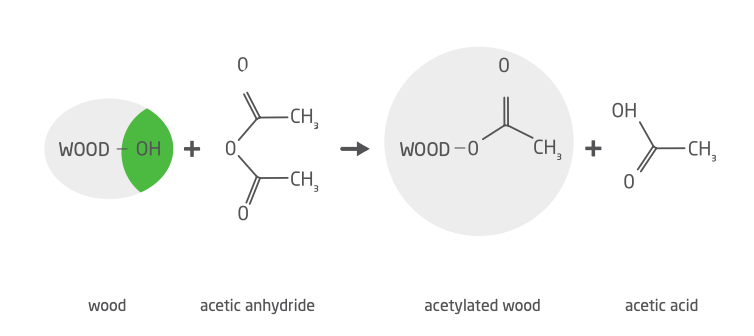
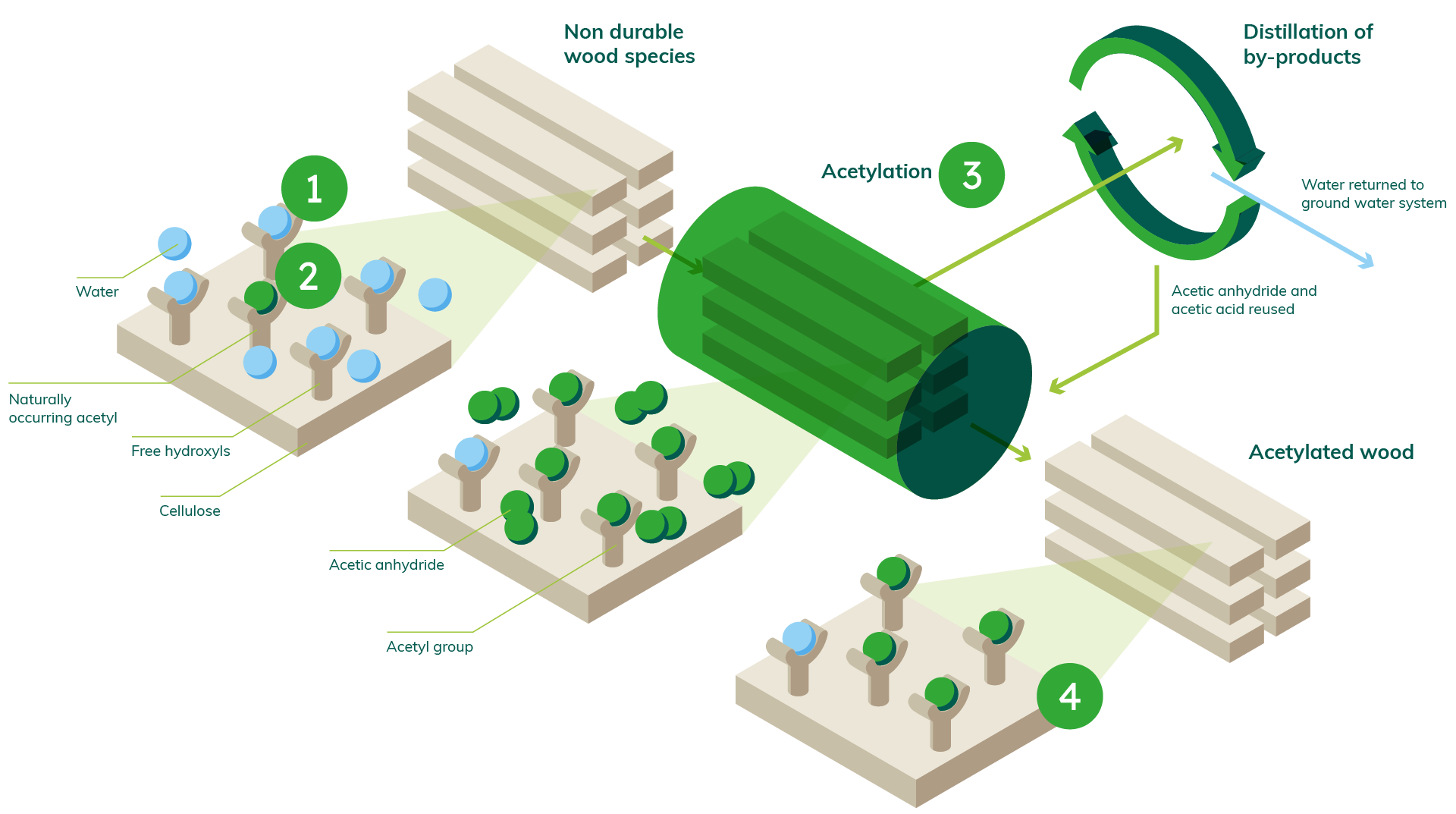
During the acetylation process, the wood is subjected to an organic reaction with acetic anhydride – a clear, colorless liquid with a strong scent of vinegar (essential, vinegar without the water.) Acetic anhydride reacts to a part of the wood’s cellular structure called free hydroxyls, which allow the absorption and release of water in and out of the wood. The acetylation process converts free hydroxyls into acetyl groups, which water can no longer bind to, significantly reducing the ability of the wood to absorb and retain water.
Wood Selection
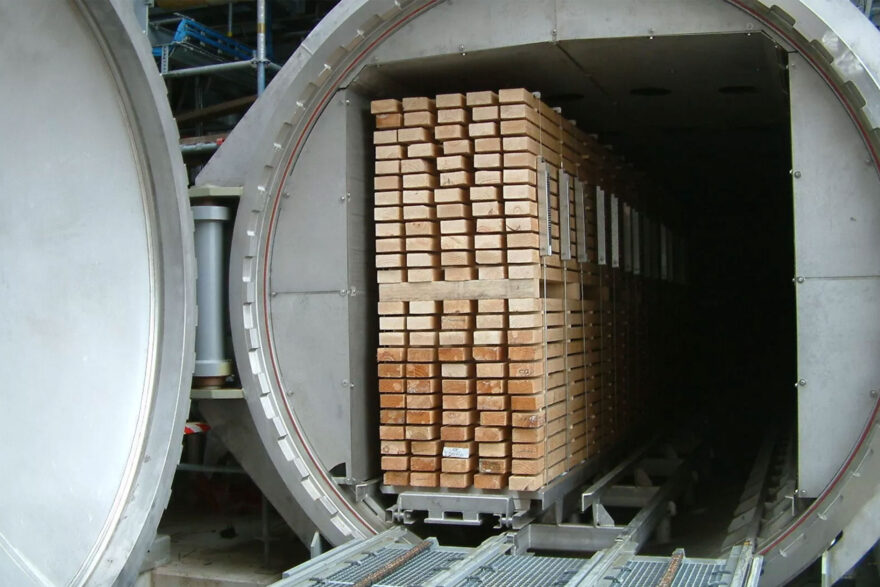
Accoya® Wood is the leading example of chemically modified wood, utilizing a cutting edge, proprietary acetylation process. The acetylation of Accoya yields exceptional results for demanding exterior applications like cladding, decking, and more. The processing of producing Accoya begins by responsibly sourcing radiata pine, a high-yield, fast-growing softwood species. Accoya wood is FSC®-Certified, protecting local biodiversity and habitats through a sustainable timber supply chain.
Acetylation Reaction
Once sourced and milled, the wood is subjected to a chemical reaction with acetic anhydride, which occurs in a high-temperature, high-pressure environment, typically around 120° Celsius (248° Fahrenheit). During this phase, the hydroxyl groups (-OH) on large molecules such as lignin and hemicellulose in the plant cell wall react wiht the acetic anhydride and are replaced by acetyl groups (-COCH3).
Post-Reaction Processing
After the acetylation reaction, the wood undergoes washing and drying to remove residual chemicals and by-products; the finished product is completely non-toxic and certified safe for humans, animals, and the environment.
The resulting acetic acid from the reaction is recovered and purified through a distillation process, which is then recycled back into the acetylation process, effectively regenerating acetic anhydride. This closed-loop system not only reduces the consumption of raw materials, but minimizes the environmental impact associated with the production and disposal of chemicals.
Benefits of Accoya Acetylated Wood
Accoya wood offers many performance, environmental, and aesthetic benefits that make it an excellent alternative to untreated or pressure-treated wood.
High Performance
Compared to untreated wood, swelling and shrinkage in acetylated wood is reduced by 70%-80%. Its dimensional stability allows it to maintain its shape and tight joints in varying humidity and weather conditions. Accoya is highly-proven, having been tested in various environments and real-world conditions, making it an ideal choice for even the most extreme climates.
Accoya wood is exceptionally durable; its durability, or rot resistance, is Class 1, matching and exceeding the performance of nature’s most durable wood like oak and teak.
Accoya wood is backed by a 50 year above ground warranty, and 25 years in ground or freshwater.
Sustainability
Accoya offers much lower lifecycle carbon emissions compared to non-renewable building materials. The acetylation process significantly increases the durability and stability of raw wood, prolonging its useful life and keeping the carbon locked in for longer.
Unlike other materials like PVC and plastic composites, modified wood is 100% recyclable. Accoya wood is nontoxic, safe for the environment, and sustainably sourced from fast-growing forests.
Aesthetics
Visually, acetylated wood is just like any other wood. It maintains the natural beauty and character of unmodified wood with the added benefit of low maintenance.
Accoya wood is ideal for a variety of textures and finishes, and weathers to a natural silver-gray if left untreated. reSAWN TIMBER co. uses proprietary finishing processes that are developed in-house. These techniques allow for:
Deeper penetration of finishes into the wood for enhanced durability and visual richness.
Consistent results across product lines due to controlled processes.
Customizability, allowing finishes to be tailored to specific design needs or environmental conditions.
For those seeking a more enhanced, textured appearance and dramatic aesthetic, Shou Sugi Ban Accoya – offered by reSAWN – is a striking solution. This award-winning charring technique not only enhances exterior durability, but adds depth and richness to the wood’s appearance. The dense outer char layer develops into a uniquely weathered aesthetic over time for timeless elegance.
Acetylated wood is transforming how wood is used in a variety of applications and demanding environments, offering a smart and sustainable alternative to tropical hardwoods and synthetic materials. As the industry prioritizes sustainability, superior performance, and aesthetics, reSAWN TIMBER co., continues to craft innovative, high-performance products with Accoya wood to meet the exacting needs of any project.
Our modified wood solutions are developed in-house with proprietary finishing techniques and undergo a rigorous research and development process to ensure unmatched performance and aesthetics. We provide comprehensive technical insights and support throughout the project lifecycle to empower architects, builders, and contractors to make informed decisions and achieve desired project results.
Contact Us to find out how you can integrate reSAWN TIMBER co.’s Accoya products into your upcoming project.
Lumber milling is an age-old craft that merges wood’s natural beauty with the functional needs of architecture and design. Each milling cut offers a unique intersection of form, grain pattern, and structural properties that dictate aesthetic appeal and practical utility. Understanding these techniques is key to maximizing wood’s potential, from the versatile efficiency of plain sawn boards to the dimensional stability of rift and quarter sawn cuts.
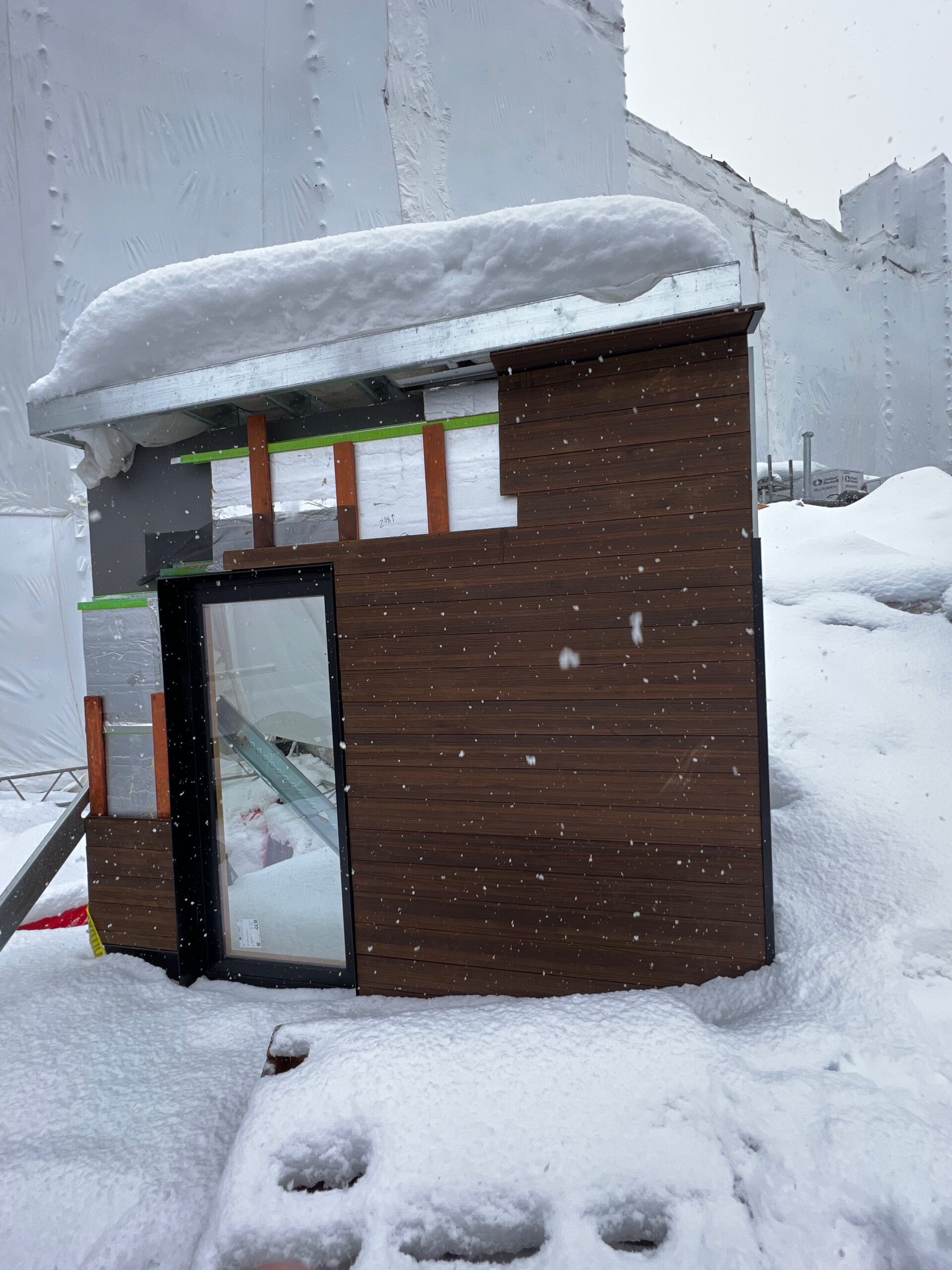
With the resurgence of natural materials in present-day architecture, the choice of milling techniques plays a critical role in achieving specific design aesthetics and performance outcomes. Whether for flooring, wall cladding or structural components, knowing the distinct qualities of each cut allows designers, builders, and architects to make informed decisions.
This article explores the distinctions of lumber milling, demystifying key terms and revealing the artistry behind sawyers’ choices.
Plain Sawn: Efficiency Meets Visual Appeal
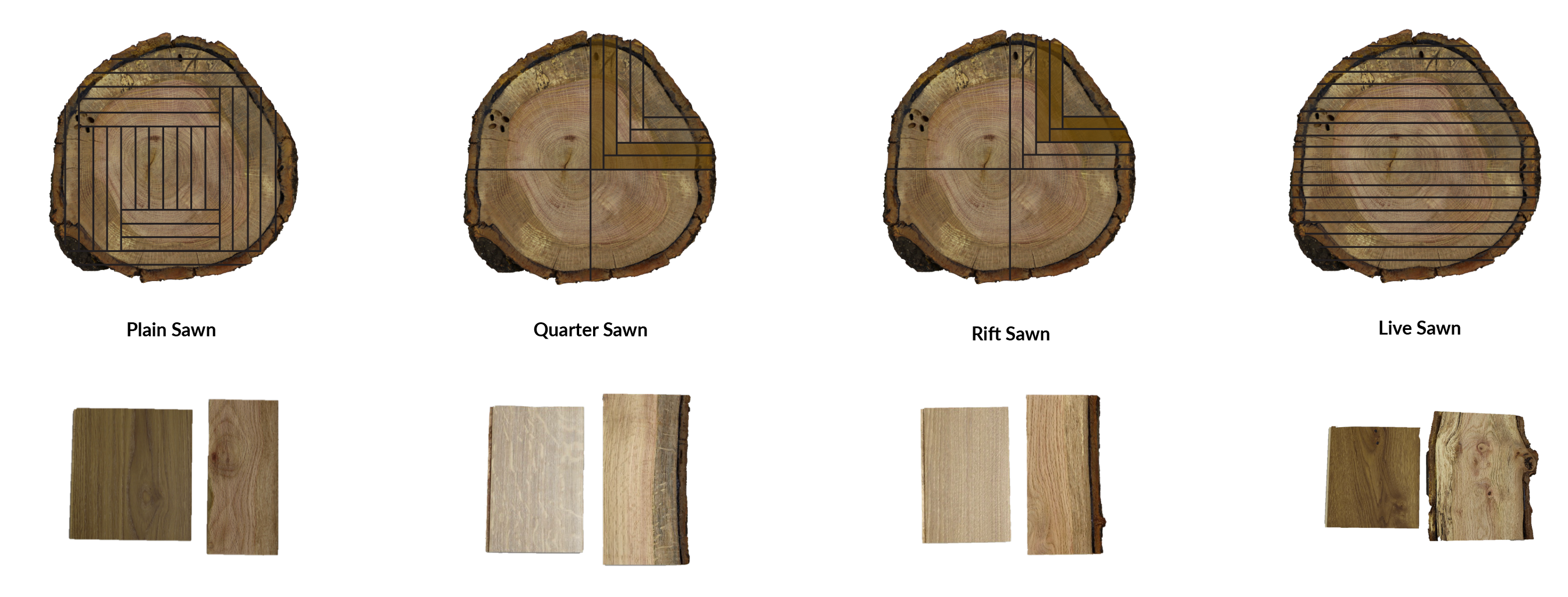
Plain (or flat) sawing is the most efficient and common milling technique. In this process, the sawyer aligns the first cut parallel to the curvature of the log. Then, they keep cutting the wood, switching between going the same direction as the log and across it, until they reach the middle.
Characteristics and Advantages:
Efficient & Cost-Effective: This method maximizes the number of boards that can be milled from a single log, reducing waste and making it the most affordable option.
Aesthetic Appeal:Plain sawn boards display a distinctive “cathedral grain” pattern, giving wood surfaces a natural, dynamic look.
Readily Available: Due to its widespread use, plain sawn lumber is one of the most accessible options on the market.
Applications:
Flooring & Millwork: WESTPORT Select Plain Sawn North American Black Walnut offers tonal uniformity and clarity, enhanced by the cathedral grain for an elegant look.
Cladding: Products like ARDMORE utilize plain sawn material for a more monotone application, while HOWAITO leverages grain variations to create a lively tonal interplay.
Live Sawn (Original Cut): The Most Resource-Efficient Approach
Live sawn, or original cut, is a milling technique that produces the widest boards possible from a log by making parallel cuts from top to bottom. This method captures the entire cross-section of the log, resulting in a unique blend of cathedral grain, vertical grain, medullary rays, and sapwood within a single board.
Key Visual & Structural Elements:
Cathedral Grain: Found in the outer sections of the board, adding a dramatic and sweeping aesthetic.
Vertical Grain: Visible in the inner sections, offering a more linear and structured appearance.
Medullary Rays: Radiating from the log’s center, these unique flecks or streaks are highly prized in species like oak.
Sapwood Contrast: The lighter outer layer of the log creates natural visual interest against the heartwood.
Benefits of Live Sawn Milling:
Minimal Waste, Maximum Sustainability: Because the entire log is used, this method supports sustainable forestry practices by increasing overall yield.
Superior Stability: The variety of grain orientations within a single board improves dimensional stability, reducing the likelihood of warping.
Organic Aesthetic Appeal: Live sawn boards feature a striking mix of grain patterns, making them ideal for bold, naturalistic designs.
Applications:
Flooring: Live sawn products like European White Oak are a popular choice in rustic and contemporary interior designs.
Architectural Elements: Suitable for feature walls, beams, and ceilings where natural character is desired.
Rift Sawn and Quarter Sawn: Precision and Stability
The rift and quarter sawn milling methods are often misunderstood in woodworking. The key difference lies in the angle of the tree’s growth rings relative to the board’s surface, as seen from the end of the cut.
Quarter Sawn:
Growth rings are at an angle of 60 to 90 degrees to the surface.
Creates straight grain patterns and often showcases medullary rays, which appear as flecks or ribbons, adding a unique visual element to certain species like oak.
Higher resistance to moisture absorption, making it more stable than plain sawn lumber.
Rift Sawn:
Growth rings are at an angle of 30 to 60 degrees to the surface.
Produces a clean, straight grain with minimal variation and no visible medullary rays.
Highly sought for precision applications such as fine furniture, cabinetry, and architectural millwork.
Milling Process:
A log is first cut into four quarters (cants).
Each quarter is then sliced parallel to its flat face, with the sawyer turning the cant 90 degrees after each cut.
The first, wider cuts become quarter sawn boards, while the smaller cuts with a lower grain angle become rift sawn boards.
Advantages of Rift and Quarter Sawn Milling:
Dimensional Stability: The perpendicular grain alignment minimizes expansion and contraction due to humidity changes.
Durability: Less prone to warping and cupping, making it ideal for flooring and high-end woodworking projects.
Refined Aesthetics: The uniform grain structure provides a sleek, modern look that suits minimalist and modern designs.
Applications:
Flooring & Cladding: Quarter sawn white oak is a popular choice for high-end installations, offering both durability and an elegant grain pattern.
By understanding milling techniques, builders, architects, and designers can deepen their design narrative and elevate their projects with the beauty and integrity of wood. Whether emphasizing the natural grain patterns of plain and live sawn boards or opting for the structural reliability of quarter and rift sawn lumber, each cut offers unique advantages.
At reSAWN, we specialize in providing high-quality, sustainably sourced wood products that highlight the craftsmanship and natural elegance of these techniques. Our extensive range of flooring, cladding, and millwork solutions ensures that every commercial or residential project can benefit from the timeless appeal of expertly milled wood.
For more information, contact reSAWN TIMBER co. to discover how our innovative wood solutions can enhance your next project. AEC professionals—if you’re interested in deepening your team’s knowledge on lumber cuts and their impact on design and performance, request a CEU course today!
When selecting natural wood flooring for your home or commercial space, a critical decision is choosing between engineered and solid hardwood flooring. Both options offer premium, natural wood with the same classic aesthetic and warmth but differ in structural composition and performance. This article will discuss the fundamental differences between engineered and solid hardwood flooring—including their applications, durability, upkeep, and environmental effects.
Construction and Composition The primary difference between solid hardwood and engineered wood lies in their construction. Solid hardwood is made from a single piece of wood, typically about ¾ inch thick, and is milled from a single piece of timber. This straightforward construction makes solid hardwood flooring durable and allows it to be sanded and refinished multiple times over its lifespan.
In comparison, engineered wood consists of multiple layers. The top layer, known as the wear layer, is a thin layer of natural wood that varies in thickness. Beneath the wear layer, several plywood layers are stacked and bonded together in a cross-grain configuration. This layered construction enhances dimensional stability, making it less likely to warp and shrink than solid hardwood.
Applications Solid wood flooring can be installed above-grade or on-grade but is not recommended for below-grade environments. This limitation is due to moisture, as solid wood is more susceptible to moisture. Below-grade spaces, such as basements, often have higher humidity levels and are prone to moisture infiltration from the surrounding soil. If the soil level along any perimeter wall is more than 3 inches above the installed flooring, the risk of moisture damage increases significantly. This makes solid wood flooring less stable and more vulnerable in such conditions.
On the other hand, engineered wood flooring is designed to be more dimensionally stable and moisture-resistant. This makes it suitable for installation above, on, or even below grade. The cross-laminated structure of engineered wood contributes to its resistance to moisture. The plywood or HDF layers are less susceptible to water damage than solid wood, which can swell or warp when exposed to moisture. Additionally, the adhesives used in engineered wood flooring are typically formulated to resist moisture, further enhancing the floor’s durability. This makes engineered wood a suitable option for areas where moisture is a concern, such as basements (below grade) or over concrete slabs.
Durability and Longevity Solid hardwood and engineered wood each have their own strengths in durability and longevity. Solid hardwood is recognized for its long lifespan; with proper care, it can last for decades. As a solid piece of timber, it can be sanded and refinished multiple times, which is a significant advantage if the floor gets scratched or the owner wishes to change the finish.
Engineered wood, while also durable, has a different set of strengths. Its multi-layered construction provides greater resistance to temperature and humidity changes, reducing the risk of warping or cupping. This stability makes engineered wood an excellent choice for environments where solid hardwood might struggle, such as in rooms with fluctuating humidity levels or below-grade installations.
Vitus Project Feat. MATE European White Oak Kamas Residence Feat. ROCKPORT North American Black WalnutGolden State Suites Feat. AMITY European White Oak
Maintenance and Care Both engineered and solid hardwood floors require regular upkeep to stay in top condition. This includes regular sweeping or vacuuming to remove dirt and debris that can scratch the surface and occasional damp mopping with a cleaner designed for wood floors.
Solid hardwood floors may require more maintenance, mainly if installed in high-traffic areas. The ability to sand and refinish solid wood multiple times offers the opportunity to restore the floor’s original beauty after years of wear and tear.
Engineered wood, while generally easier to maintain due to its resistance to environmental changes, may need to be replaced sooner if the wear layer is damaged. However, higher-quality engineered wood with a thicker veneer can be refinished, extending its lifespan significantly.
Environmental Impact Both engineered and solid hardwood have their pros and cons in terms of environmental impact. Solid hardwood, especially from responsibly managed forests, can be a sustainable choice due to its natural, renewable material. However, producing solid wood flooring consumes more of the tree, which can lead to higher wastage. Engineered wood is designed to maximize the use of each tree, as the veneer is much thinner than a solid wood plank. This efficient use of resources makes engineered wood a more sustainable option in many cases. Additionally, many engineered wood products are now available with eco-friendly finishes and adhesives that reduce the emission of volatile organic compounds (VOCs), making them a healthier choice for indoor air quality.
Making the Right Choice Choosing between engineered and solid hardwood flooring ultimately comes down to understanding your space’s specific needs and weighing each option’s benefits and drawbacks. Solid hardwood offers timeless appeal, longevity, and the ability to be refinished multiple times, making it an excellent investment for the long-term. Engineered wood, with its enhanced stability, is ideal for environments where solid wood might not perform well.
By considering factors such as application requirements, environmental conditions, and maintenance preferences, you can select the flooring option that best suits your lifestyle and design goals. Whether you opt for the classic charm of solid hardwood or the modern versatility of engineered wood, both options offer beauty and value that can enhance the warmth and character of any space.
reSAWN’s Solid & Engineered Wood Flooring reSAWN TIMBER co. provides new and reclaimed wood products for architectural specifications for flooring. Our carefully curated offering includes modern finishes on reclaimed wood and newly harvested wood species. We provide only the highest quality materials milled to our exacting standards and finished in a way that enhances the natural beauty of the wood. Our extensive offering includes solid and engineered construction, wide plank flooring, and FSC®-Certified woods.
reSAWN’s North American Black Walnut features wide plank flooring that is prefinished and available in solid & engineered construction. All designs are available as FSC® upon request.
The North American White Oak flooring from reSAWN features wide plank wood flooring that is charred or prefinished, and available in solid & engineered construction. Our North American White Oak products are made using sustainably harvested domestic woods such as Rift & Quarter Sawn White Oak. All designs are available as FSC® upon request.
The European White Oak products from reSAWN feature wide plank flooring that is prefinished and available in engineered construction. The engineered material comes standard at 5/8” thick with a substantial 4 mm wear layer, or 3/4” thick with a full 5mm or 6 mm wear layer for a truly superior product. The 7” face width showcases the full character and grain pattern that European White Oak offers. Select products can be specified in both Herringbone and Chevron styles. All designs are available as FSC® upon request.
reSAWN offers antique reclaimed woods in solid & engineered construction for flooring. The unique beauty of antique wood is preserved & celebrated in this collection.
We specialize in meeting the needs of architects, designers, and contractors and providing superior service and product guidance in developing your specifications. Get in touch with us for your next project.
Climate is a diverse and beautiful factor that significantly influences building design. Elements such as temperature, humidity, wind, and precipitation shape a structure’s aesthetics, functionality, construction process, material choices, and longevity. With rising construction costs, even minor errors can significantly impact a project’s budget and timeline. Ensuring precise execution is particularly critical for exterior building materials that protect a structure from the natural elements. Field mockups for exterior wall assemblies are essential tools to verify material selection and construction techniques before the project begins.
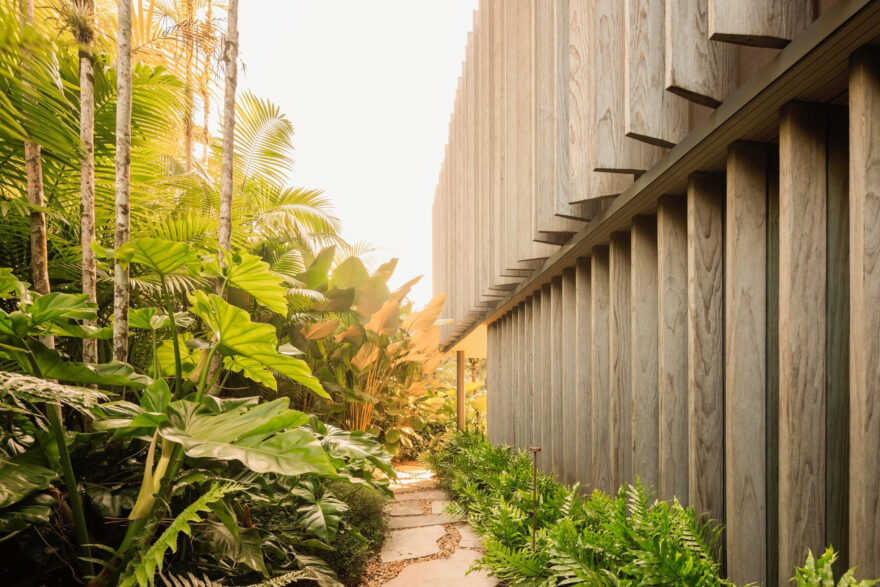
What is Field Mockup? A mockup is typically a smaller-scale representation of the actual building, designed to mimic the building’s structure and construction. Field mockups are typically placed at or near the construction site. They provide a tangible, three-dimensional representation of a design, allowing architects, designers, contractors, and owners to assess functionality, aesthetics, and quality before full-scale production.
Why Use Field Mockups? A mockup is useful for evaluating the integration of construction systems and the performance of materials. Each structure and location are unique, and with countless building material options available, BIM or CAD detailing cannot address field-dependent variables as effectively as a full-scale field mockup for exterior wall systems. Moreover, when working with natural materials like wood, climate plays a large role in shaping how the wood weathers. Mockups help verify the material’s suitability for specific climatic conditions and ensure quality construction. By simulating real-world conditions, mockups deliver many benefits to the architects, contractors, owner, and stakeholders:
Weathering Observation: Monitor how materials weather over time.
Product Appearance: Evaluate the appearance of materials over a larger field.
Confident Material Specification: Ensure the chosen product suits the specific exterior conditions of the construction site.
Wood Movement Tolerance: Assess wood movement in the project-specific climate.
Ventilation & Drainage Effectiveness: Monitor the effectiveness of rear ventilation and drainage through assembly details (e.g., rainscreens).
Construction Best Practices: Serve as a teaching tool for trade partners, promoting efficient and accurate practices during constructions.
Stakeholder Review: Enable stakeholders to observe and assess the weathering process of materials and construction structures, helping to set expectations and facilitate stakeholder approval.
reSAWN’s Mockup Program At reSAWN TIMBER co., we are dedicated to delivering exceptional results and ensuring complete satisfaction. We offer a mockup program and always encourage our clients to take advantage of a field mockup. Certain reSAWN products require a field mockup prior to full ordering.
When possible, mock-ups should be installed well before materials are delivered to the project site (8-16 months in advance) to allow the materials to acclimate and weather according to the region’s climatic conditions.
If you are interested in learning more and seeing how our exterior cladding perform on your project site, please fill out this form, and a reSAWN representative, along with our technical team, will work with you directly to customize a field mockup best suited for your project.
Architectural design is constantly evolving, striving to integrate and find balance between aesthetic and functional elements. One of the key components gaining traction in modern facade design is the use of slats. Slats, typically used as walls, are wood panels installed parallel to each other and spaced to allow light and air to pass through. However, when combined with other adjacent materials, slats can also function as decorative enclosures.
Slats, or louvers, have become integral in contemporary architecture, offering a blend of visual appeal, energy efficiency, and environmental harmony. This article touches on the multifaceted role of slats in architectural facades, highlighting their benefits, applications, and the innovative ways architects utilize them.
Aesthetically Appealing and Visually Dynamic Slats offer an unparalleled aesthetic versatility that can transform the appearance of a building. They can be designed to fit various architectural styles—from minimalist modern to rustic traditional. The arrangement of slats can create dynamic patterns and shadows, adding depth and texture to a building’s exterior. Whether installed horizontally, vertically, or diagonally, slats can make a facade visually striking, breaking the monotony of plain surfaces.
Plus, slats can be customized to achieve different levels of transparency and opacity. This adaptability allows architects to play with light and shadow, creating a facade that changes appearance throughout the day. The interplay of sunlight with the slats can produce a living, breathing building exterior that interacts with its environment in a visually captivating manner.
Environmental and Energy Efficiency In addition to their aesthetic benefits, slats contribute significantly to a building’s environmental performance. They act as sunshades, controlling the amount of sunlight that enters a building. By reducing direct solar gain, slats help in minimizing the need for artificial cooling, thus lowering energy consumption. This passive cooling strategy is particularly beneficial in hot climates, where managing heat intake is crucial for maintaining comfortable indoor temperatures.
Slats can also be designed to facilitate natural ventilation. By allowing air to flow through the facade, they help in maintaining indoor air quality and reduces reliance on mechanical ventilation systems. This not only enhances the building’s energy efficiency but also promotes a healthier living environment for occupants.
Privacy Privacy is a critical consideration in architectural design, especially in urban settings where buildings are often closely spaced. Slats offer a practical solution for maintaining privacy without sacrificing light or ventilation. By strategically spacing and angling the slats, architects can prevent direct lines of sight into the building while still allowing natural light to permeate the interior.
The use of slats in architectural facade design epitomizes the blend of form and function that defines modern architecture. Their ability to enhance aesthetics, improve energy efficiency, provide privacy, and adapt to innovative applications makes them a valuable tool for architects. As architectural design continues to evolve, the role of slats in creating sustainable, functional, and visually engaging buildings is likely to expand, driving forward the future of urban landscapes. By embracing the potential of slats, architects can design buildings that are not only beautiful but also environmentally responsible and adaptable to the needs of their occupants.
Wood Slats from reSAWN TIMBER co. reSAWN TIMBER co. stands at the forefront of providing high-quality, wood slats that epitomize both beauty and durability. Our extensive range of products, from natural to modified woods, are crafted from sustainably sourced woods. Using modified wood products like Sylva, Abodo, Accoya, and Kebony for slats has revolutionized architectural design, offering enhanced durability and performance while maintaining the natural beauty of wood.
Each slat from reSAWN is meticulously designed to meet the highest standards of performance and aesthetics, ensuring that architects and builders can create facades that are visually stunning and built to last. With options in various wood species, finishes, textures, and configurations, reSAWN’s slats offer unparalleled versatility, allowing for creative and functional facade solutions that meet the demands of modern architecture. By choosing reSAWN TIMBER co. you are investing in products that enhance your building’s design while promoting sustainable building practices.
Coastal environments present a unique challenge for building materials. Constant exposure to salty air, high humidity, and intense sunlight can significantly degrade traditional construction materials. However, pre-finished wood has emerged as an excellent choice for facades in coastal applications, offering both durability and aesthetic appeal. This article speaks to the benefits of using factory-pre-finished wood for coastal homes, highlighting its durability, aesthetics, sustainability, and long-term cost-effectiveness.
Durability and Resistance to Elements One of the biggest benefits of pre-finished wood is its enhanced durability. Coastal areas are notorious for their harsh weather conditions, which include high winds, heavy rainfall, and exposure to saltwater. These factors can lead to rapid degradation of untreated wood, causing warping, rotting, and discoloration. Factory-finished wood, however, undergoes a meticulous treatment process, including sealing and staining, protecting the wood from the outside elements. These factory-applied finishes are designed to penetrate deeply into wood fibers, providing a barrier against moisture and UV rays. The additional layer of protection ensures that the wood retains its structural integrity and appearance over time, making it a reliable choice for coastal facades.
Low Maintenance Maintenance is crucial for any building material, especially in challenging environments. Pre-finished wood can significantly reduce the need for frequent upkeep. Selecting and applying high-quality finishes during manufacturing ensures the wood can withstand the rigors of coastal climates. This treatment reduces the need for frequent re-staining or sealing compared to untreated or site-finished wood. This translates to lower maintenance costs and less labor over the lifespan of the building. Additionally, pre-finished wood is less susceptible to issues like peeling, flaking, or blistering, which are common problems in high-moisture environments.
Aesthetic Versatility Aesthetics play a crucial role in the appeal of any building. The consistent quality of factory-applied finishes ensures that the color and texture remain uniform across the entire facade, providing a polished and cohesive appearance. The natural beauty of wood adds warmth and character to buildings, making it an attractive choice for coastal applications where blending with the natural environment is often desired.
Environmental Sustainability Sustainability is becoming an increasingly important factor in construction decisions. Many manufacturers adhere to stringent environmental standards, ensuring the wood is harvested sustainably, using environmentally friendly finishes, and processed to minimize environmental impact. Wood is a renewable resource that sequesters carbon dioxide, contributing to a reduction in greenhouse gases. The longevity and durability of pre-finished wood subsequently lead to fewer replacements and less frequent maintenance, further reducing its environmental footprint.
Enhanced Property Values High-quality materials like pre-finished wood cladding can significantly enhance a property’s value. The aesthetic appeal, durability, and low maintenance requirements of pre-finished wood facades make properties more attractive to potential buyers or tenants. Coastal properties, in particular, benefit from the added protection against harsh environmental conditions, ensuring that the building remains in excellent condition over time. Investing in pre-finished wood cladding for facades can provide a return on investment in property value and long-term cost savings.
As the building industry emphasizes sustainability, aesthetics, and longevity, pre-finished wood cladding offers a compelling option for those looking to enhance their coastal properties with a functional and visually appealing material. Pre-finished wood cladding delivers a harmonious blend of durability and design, ensuring the exterior facades remain stunning and resilient for years.
Here’s a collection of coastal projects that embody resilience and timeless beauty through the innovative use of reSAWN TIMBER co.’s prefinished wood cladding on their facades. The various species, sizes, shapes, and profiles enable unique architectural features and detailed craftsmanship. These projects highlight how prefinished wood enhances the aesthetic appeal of coastal homes and ensures long-lasting durability against harsh marine environments. Architects and builders create structures that look aesthetically pleasing while standing the test of time.
The Jo Residence The Jo Residence by Jacobsen Arquitetura is situated on the beaches of Guarujá, Brazil. To combat the region’s intense tropical climate, the architects strategically chose SAMITTO charred Accoya® exterior cladding. Accoya® modified wood undergoes an acetylation process, enhancing its stability and resistance to rot, making it well suited for the humid climate. The Shou Sugi Ban charred layer further strengthens its resilience, significantly improving resistance to moisture, fungi, and UV radiation.
Dune House Ryall Sheridan Architects chose to incorporate over 5,800 sq ft. of reSAWN’s charred Cypress on the exterior of the Dune House in Amagansett, NY. The oils in cypress’ heartwood make it one of the most durable woods when exposed to moisture conditions causing decay – a key advantage in moisture-rich coastal settings.
Atlantic Beach Project Designed by Martin Architects, this modern vacation home required a material that could withstand the outdoor elements of Montauk, NY. With over 5,000 sq. ft. of NIGIRI charred Accoya®, the property not only exudes elegance but also demonstrates remarkable stability. Accoya®’s exceptional resistance to rot makes it ideal for coastal environments like Montauk. Even in fluctuating climates with hot, humid summers and cold winters, Accoya® remains dimensionally stable. The Shou Sugi Ban charred layer further enhances this inherent stability, which acts as an additional shield against moisture, decay, and rot.